The Weight of Gold
The fog in the harbor town of Oakhaven didn’t just dampen the pavement; it seemed to settle into the very bones of the people living there. I’m Silas, a retired lighthouse keeper. After forty years of guiding ships through storms, my knees finally surrendered to the salt and the stairs. I traded the high gallery for a small cottage near the public library, where the only thing I watch now is the tide and the steady stream of tired faces walking home from the docks.
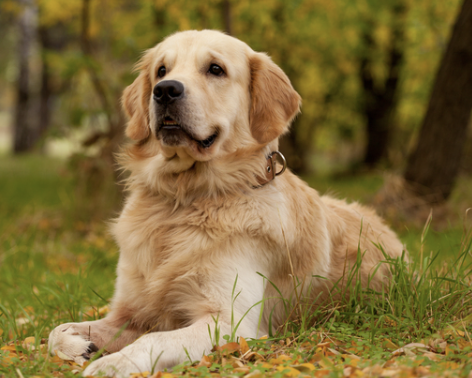
By my side was Buster. He was a Golden Retriever with fur the color of a setting sun and a heart that was far too large for his aging chest. Buster wasn’t just a pet; he was my partner. He had this uncanny knack for spotting “invisible” people—the ones who walked with their heads down, hoping no one would notice the holes in their shoes or the hollowness in their eyes.
There was one girl in particular. Her name was Maya. She was maybe seventeen, always carrying a stack of heavy textbooks and wearing a thin denim jacket that stood no chance against the Atlantic wind. She spent every afternoon in the library until closing time, not because she was a bookworm, but because the library was heated.
I knew the signs. I’d seen it in the merchant sailors during the Great Slump—the pride that keeps a person from asking for a meal, even when their stomach is a drum of echoes.
I tried to offer her a scarf once. She looked at me with eyes as sharp as flint and said, “I’m fine, Mr. Silas. I have everything I need.”
She didn’t, of course. But you can’t force help on a heart that’s trying to stay upright.
That evening, I sat in my armchair, watching Buster gnaw on an old rope. I looked at an old leather satchel I used to use for carrying tools up the lighthouse. An idea began to form—a way to bridge the gap between my surplus and her silence.
I spent the night cleaning the leather. I stitched two deep pockets onto a sturdy harness. The next morning, I filled one side with a heavy thermos of creamy tomato soup and a thick wedge of sourdough bread. In the other side, I tucked a pair of wool socks and a small heater pack.
I wrote a note on a piece of weathered parchment: “Buster is getting stubborn in his old age. He insists on his afternoon walk to the docks, but his joints can’t handle the weight of my supplies anymore. He’s too proud to stop, and I’m too old to follow. Could you walk him to the end of the pier and help him ‘unload’ so he can make it back home comfortably? You’d be doing an old man—and an old dog—a massive favor.”
At 4:00 PM, I strapped the harness onto Buster. He looked up at me, his tail giving a single, knowing thump against the floor.
“Go find her, boy,” I whispered.
I watched through the window. Buster didn’t bark. He simply trotted toward the library steps and sat right in Maya’s path as she exited. He leaned his heavy golden head against her hip and let out a long, weary sigh.
Maya froze. She looked around, confused, until her eyes fell on the note tucked into the leather strap. I saw her shoulders drop as she read it. The tension of “receiving” melted into the dignity of “assisting.” She knelt in the snow, unzipped the satchel, and found the warm thermos. She didn’t look like a charity case; she looked like a caretaker.
For the next five months, Buster became the town’s most important employee.
Every day, the “weight” he carried changed. Sometimes it was a tin of hot pasta, sometimes a new pair of gloves, or a voucher for the local pharmacy. Maya became his official “helper.” She would sit with him on the pier, sharing the soup, talking to him about her dreams of becoming a doctor, while he listened with the patient, unblinking devotion only a Golden can give.
Buster wasn’t just giving her calories; he was giving her a reason to feel needed. He was the bridge she walked across to reach her future.
But time is a thief. By the time the spring thaw arrived, Buster’s golden fur had turned almost white around the muzzle, and his walks became shorter. One rainy Tuesday, he didn’t head for the door. He stayed on his rug, his tail wagging feebly as he licked my hand one last time.
When 4:00 PM came, I forced myself to the library. Maya was waiting on the steps, her face pale.
“He’s gone, isn’t he?” she asked before I could speak.
I nodded, handing her the leather harness. It was empty, except for a final note and a small key to a locker at the train station where I’d stashed a “scholarship fund” I’d been saving since my lighthouse days.
“Buster taught you how to carry the weight,” I told her. “Now it’s your turn to choose who helps you carry yours.”
Ten years later, I’m a very old man. I don’t get out much, but I hear stories.
They say there’s a clinic in the city run by a woman named Dr. Maya. It’s a place for the forgotten—the homeless, the runaway, the prideful poor. And the strangest thing about this clinic? There is always a Golden Retriever roaming the waiting room.
The dog wears a faded leather harness with two pockets. People say that if you look tired enough, or if you’ve gone too long without a kind word, that dog will come and sit right on your feet. He won’t leave until you open the satchel to find a sandwich, a warm pair of socks, or a note that simply says:
“You’re not alone. You’re just helping a friend carry the load.”
The gold of a Retriever isn’t in their fur; it’s in the way they teach us that we are all, at some point, just someone in need of a lighter walk home.