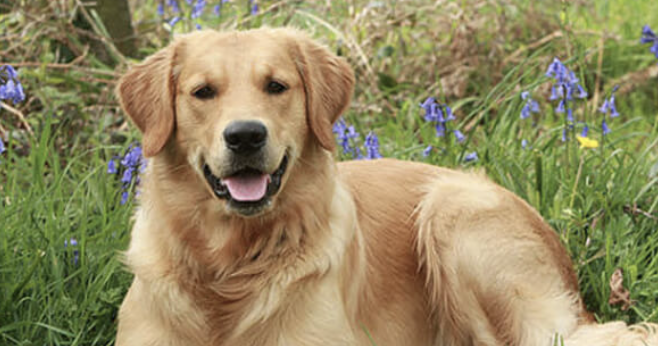
The Golden Retriever Who Paused the World
I used to think my Golden Retriever, Milo, was poorly trained. He wasn’t aggressive, wasn’t destructive—just inconvenient. He stopped when he shouldn’t. He slowed when life demanded speed. And for a long time, I believed that was my failure as an owner.
Milo came into my life four years ago, fresh from a rescue organization that described him as “gentle, observant, and emotionally intuitive.” At the time, I laughed at that last part. Emotionally intuitive sounded like marketing fluff. What I saw was a seventy-pound Golden with perpetually damp fur, soft amber eyes, and a tendency to sit down in the middle of the sidewalk like a dropped couch.
Our walks were supposed to be efficient. I walked Milo between meetings, emails buzzing in my pocket, mind already halfway into the next obligation. Milo, however, seemed uninterested in my schedule. Every so often, he would stop dead, plant his paws, and stare at someone as if they were the only thing left in the world.
I called it “the freeze.”
At first, it embarrassed me. I’d tug the leash, whisper apologies to strangers, joke about how “he’s usually not like this.” People smiled politely and moved on, while Milo looked after them with an intensity that made my skin prickle.
Then I started noticing something unsettling.
Milo never stopped for just anyone.
The realization came one gray morning near a downtown bus terminal. A woman stood alone by the curb, impeccably dressed, phone pressed to her ear. From the outside, she looked composed—perfect posture, immaculate coat, controlled voice. Milo slowed, then sat directly in front of her.
I tried to pull him back.
He didn’t budge.
The woman stopped mid-sentence. Her hand trembled as she lowered the phone. She looked down at Milo, and her face cracked—not dramatically, but quietly, like porcelain under pressure.
“I’m sorry,” she said to no one in particular. Then she crouched and wrapped her arms around my dog’s neck.
“My mother died this morning,” she whispered into his fur. “I didn’t think I was allowed to fall apart here.”
Milo didn’t lick. Didn’t wiggle. He just leaned into her, solid and warm, like an anchor.
After that, I paid attention.
On another walk, Milo ignored joggers, dog owners, and laughing couples to stop beside a teenage boy slouched against a brick wall. The kid wore headphones and a scowl sharp enough to scare people away. Milo nudged his knee gently. The boy stiffened, then sighed, sinking down until he was sitting on the curb beside my dog.
“Failed my driving test,” he muttered. “Again.”
Milo rested his head on the boy’s thigh.
The scowl disappeared.
Patterns emerged. Milo gravitated toward the unseen—the exhausted nurse on a park bench, the elderly man pretending to read while his hands shook, the overworked barista blinking back tears during a rush. He didn’t care about appearances. He responded to something else, something quieter.
The moment that finally undid me happened outside a financial firm one afternoon.
A man in an expensive suit paced the sidewalk, voice raised, jaw clenched, rage leaking into the air. People avoided him instinctively. I shortened the leash.
Milo didn’t.
He stepped directly into the man’s path and sat.
The man nearly collided with him.
“What the—” he started, then stopped. He looked down at Milo, who gazed back with open, uncomplicated affection.
Silence followed.
The man pulled out his earbuds and exhaled shakily. “Is he… okay to pet?”
Milo answered by leaning forward, tail sweeping the pavement.
The man knelt.
“My brother called this morning,” he said softly, as if confessing a crime. “He’s not coming to Thanksgiving. Rehab again. I keep yelling at people because if I stop, I might break.”
Milo pressed closer.
The man broke anyway—but gently.
That was when I understood: Milo wasn’t interrupting my walks. He was interrupting pain.
We live fast. We skim surfaces. We label people by what they project—anger, success, indifference—because it’s easier than wondering what’s underneath. Milo doesn’t do that. He doesn’t need to.
He sees the pauses in breathing. The weight in shoulders. The silence behind noise.
Now, when Milo stops, I stop too. I lift my eyes from my phone. I wait. Sometimes nothing happens. Sometimes someone kneels. Sometimes someone just smiles, relieved without knowing why.
Milo has taught me that kindness doesn’t always speak. Sometimes it simply sits down and refuses to move.
And maybe that’s enough to change someone’s entire day.