🔥 HISTORY HAS BEEN MADE! Kid Rock and Turning Point USA’s Explosive Counter-Programming Shakes Up Super Bowl LX
In a year already defined by cultural flashpoints, the 2026 Super Bowl delivered more than just a championship game—it became the battleground for a stark ideological showdown during halftime. While Puerto Rican superstar Bad Bunny commanded the official Apple Music halftime stage at Levi’s Stadium with a vibrant, Spanish-language celebration of Latino heritage, Kid Rock and conservative organization Turning Point USA (TPUSA) launched a direct rival: the “All-American Halftime Show.” This alternative event, streamed primarily on YouTube, drew millions of viewers in real time, peaking at over 6 million concurrent streams according to reports from outlets like The Athletic and Detroit Free Press. Some conservative commentators even claimed spikes that briefly rivaled or “surpassed” portions of the official broadcast in niche audiences, fueling claims of a viewer migration driven by patriotism over pop excess.
The contrast couldn’t have been sharper. Bad Bunny’s performance—rich with Puerto Rican symbolism, guest appearances from Lady Gaga and Ricky Martin, and elements like on-stage weddings and cultural nods to issues like power outages—was hailed by many as a historic triumph of inclusivity and global appeal. It reportedly attracted massive viewership, with estimates in the hundreds of millions for the full Super Bowl audience on NBC. Yet for a segment of Americans frustrated by what they saw as “woke” overtones, foreign-language dominance, or political undertones in the NFL’s choice, TPUSA’s offering provided an unapologetic alternative rooted in traditional American values, country-rock energy, and explicit nods to faith, freedom, and national pride.
The Backdrop: Controversy Ignites the Alternative
The seeds of this clash were planted months earlier when the NFL announced Bad Bunny as the headliner for Super Bowl LX on February 8, 2026. As the first Latin artist to lead the halftime show primarily in Spanish, the booking sparked immediate backlash from conservative circles. Critics, including President Donald Trump, labeled it “ridiculous” or divisive, arguing it prioritized international appeal over “American” entertainment. Petitions circulated calling for replacements like country star George Strait, and social media erupted with debates over language, immigration symbolism, and cultural identity.
Turning Point USA, the youth-focused conservative group founded by the late Charlie Kirk (honored in tributes during the event), seized the moment. They positioned their “All-American Halftime Show” not just as entertainment but as a protest—a deliberate counter to what they framed as the NFL’s embrace of “flash, hype, and pop-culture excess.” Announced with patriotic fervor, the event promised “songs for folks who love America,” featuring a lineup heavy on country and rock influences.
What Went Down at the All-American Halftime Show
The roughly 30- to 35-minute livestream kicked off around the official halftime window, extending slightly into the third quarter. Broadcast from a separate venue with pyrotechnics, American flags, and a straightforward stage setup, it avoided the high-production spectacle of the Levi’s Stadium show in favor of raw, straightforward performances.
- Opening acts included rising and established country talents: Gabby Barrett (known for her “American Idol” roots and heartfelt ballads), Lee Brice, and Brantley Gilbert, who delivered stirring renditions emphasizing themes of family, God, and country life.
- The energy built steadily, with the crowd (both live and online) responding enthusiastically to the no-frills vibe—think CMT-style specials meets rally anthems.
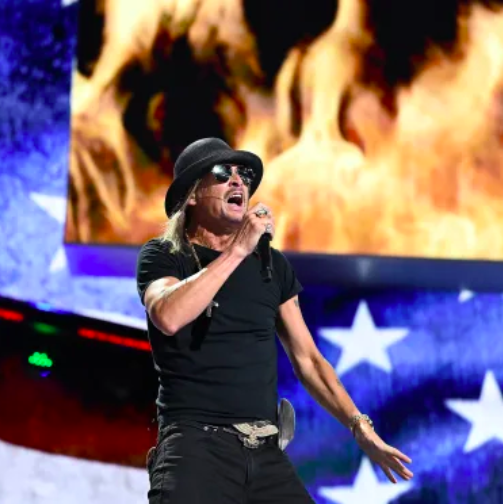
- Kid Rock closed the show in signature fashion. Sporting a fresh, trimmed haircut (a notable departure from his long-locked look of recent decades), he launched into his 1999 rap-rock classic “Bawitdaba” with high-octane delivery, complete with bright lights, a massive flag backdrop, and his trademark bravado. He transitioned into a heartfelt cover of Cody Johnson’s “‘Til You Can’t,” performed more intimately as “Robert Ritchie,” showcasing vocal range and emotional depth. The set paid homage to American resilience, with Kid Rock dedicating moments to faith and national pride.
Viewership data varied by platform and source, but reliable reports pegged peaks at 6.1 million concurrent viewers on YouTube alone, with totals climbing higher across replays and shares on Rumble and other sites. Some pro-TPUSA posts boasted even larger numbers (up to 16 million views cumulatively), though mainstream outlets like NPR and Variety noted it hovered around 4-6 million live—impressive for a streaming alternative but far below the Super Bowl’s broadcast scale.
Critics from left-leaning publications dismissed it as a “boring MAGA grift” or “cringe jingoism,” pointing to lip-sync moments, slapdash production, and its reactive nature. Supporters, however, praised its authenticity—no gimmicks, no shock value, just music celebrating “God, family, and country.”
A True Cultural Clash in Real Time
This wasn’t merely two concerts running parallel; it represented a microcosm of America’s deepening divides. Bad Bunny’s show embraced multiculturalism, linguistic diversity, and subtle social commentary (including Puerto Rican pride and unity messages). Kid Rock’s countered with unfiltered patriotism, English-language dominance, and appeals to traditional values—echoing broader debates over identity, immigration, and what constitutes “American” entertainment.
The migration of viewers was real for some demographics. Conservative audiences, already primed by pre-game outrage, switched streams en masse. Social media buzzed with side-by-side comparisons, memes, and declarations of victory for the “real America.” Even as Bad Bunny’s performance earned widespread acclaim for its energy and innovation, the alternative drew praise from figures aligned with the right, including reported interest from high-profile watchers.
In the end, neither fully “defeated” the other. The official halftime show remained the dominant spectacle, cementing Bad Bunny’s global icon status. Yet TPUSA’s gambit proved that in a fragmented media landscape, targeted counter-programming can carve out significant space—drawing millions who felt unrepresented by the mainstream offering.
As replays circulate and debates rage on, one thing is clear: Super Bowl LX’s halftime wasn’t just about music. It was a referendum on culture, values, and who gets to define the American experience on its biggest stage. Kid Rock and TPUSA didn’t just perform—they ignited a conversation that will echo far beyond the final whistle.