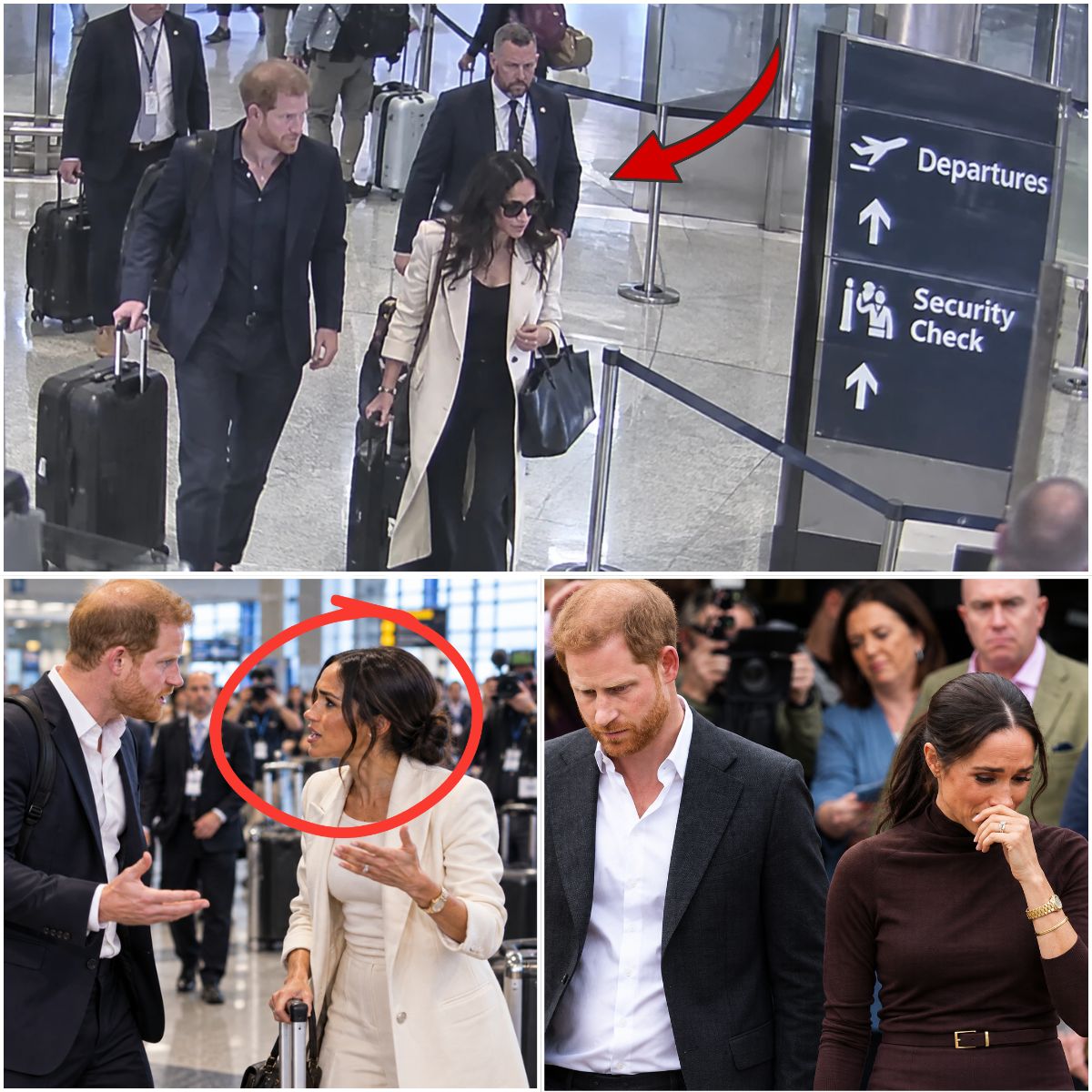
Behind Palace Walls: Navigating the Complex Realities of the Sussexes’ UK Chapter
Behind Palace Walls: Navigating the Complex Realities of the Sussexes’ UK Chapter

Introduction: The Anatomy of a High-Stakes Narrative
In the ecosystem of modern digital media, royal reporting occupies a unique space where real-world developments frequently collide with exaggerated internet speculation. Headlines warning of dramatic ultimatums, sudden departures, and emergency palace decrees are engineered to generate immediate attention.
Following the Duke and Duchess of Sussex’s return to the United Kingdom, digital platforms have been flooded with dramatic accounts of closed-door confrontations and abrupt packing routines. Beneath the sensationalized clickbait, however, lies a much more nuanced picture of family dynamics, security logistics, and institutional boundaries.
The Setup: Weighing Status and Security
The friction driving these viral narratives often stems from the ongoing complexities surrounding the couple’s status outside of working royal life. Since returning to Britain, Prince Harry and Meghan have navigated a high-profile schedule that balances independent philanthropic engagements with private family life.
However, the persistent public debate over official security provisions and institutional integration remains a constant flashpoint. Tabloid reports and online commentary frequently seize upon these logistical hurdles, framing standard institutional boundaries as sudden, high-drama ultimatums or palace-mandated humiliations. In reality, official channels have consistently maintained that the arrangements agreed upon following the 2020 transition remain fundamentally unchanged, with state security assessments handled independently of royal decree.
The Reality Behind the Closed-Door Rumors
When viral posts claim that King Charles has issued sweeping new directives or that an abrupt exit is underway, they routinely rely on recycled speculation rather than verified developments. While discussions regarding future family interactions and scheduled autumn meetings continue to unfold behind the scenes, authoritative sources emphasize that the overarching framework governing their non-working status remains intact.
The transition back into British public life has undoubtedly brought logistical pressure and intense media scrutiny, but claims of sudden, panic-driven departures ignore the carefully planned nature of their extended stays and international commitments.
Conclusion: Separating Fact from Digital Fiction
Ultimately, the persistent churn of hyperbolic palace drama reflects the public’s endless appetite for royal narratives. As long as algorithms reward dramatic cliffhangers and fictionalized ultimatums, everyday family adjustments will continue to be packaged as crises. Maintaining a clear distinction between verified reporting and algorithmic sensationalism remains essential for understanding the true state of modern royal affairs.