When an ordinary man is thrust into extraordinary turmoil, facing the harsh limits of human endurance,

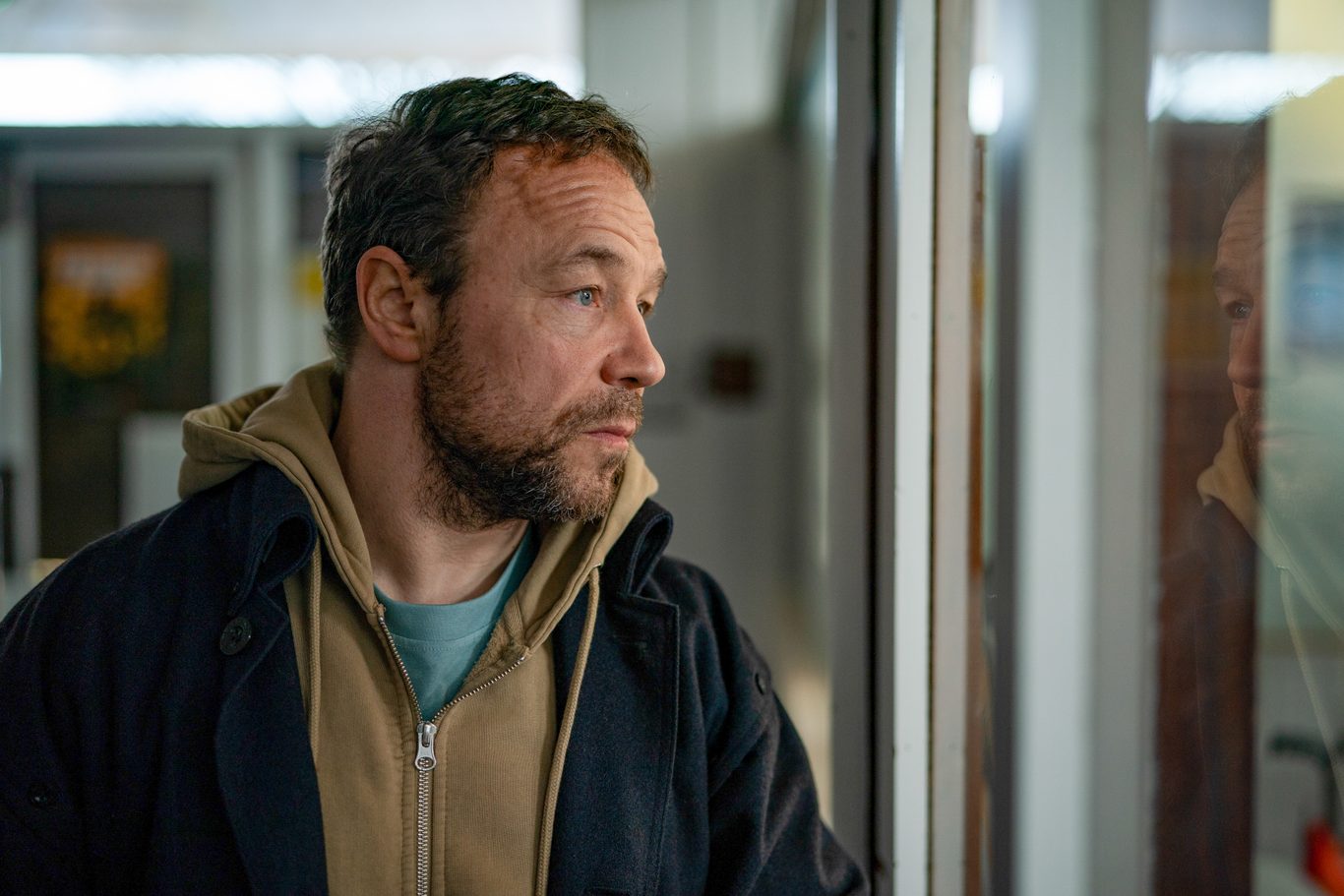
When an ordinary man is thrust into extraordinary turmoil, facing the harsh limits of human endurance, the kitchen does not dim the lights for him. On Netflix, Stephen Graham captures raw vulnerability, unvarnished grief, and profound exhaustion in Boiling Point, Philip Barantini’s hit realist drama about a chef trying to hold a world together while the world is already on the pass. Every passing minute inside the tight rooms of a London restaurant heightens the reality waiting outside: debt, family fracture, a body running on fumes and worse. As he pauses—by a window, a back door, a sliver of night between tickets—the sequence after that frame is not a plot twist. It is service continuing. Heartbreak does not stop the board. The board does not care.
The 2021 film is famous for how it is made as much as for what it says. Shot to appear as a single unbroken take on the busiest night of the year, it follows Andy Jones, Graham’s chef-patron, from the alley to the pass to the edge of collapse. A health inspector. A celebrity guest. A sous-chef who should be the future. A front-of-house team one insult from mutiny. Personal news that arrives like a ticket you cannot send back. Barantini, who came out of kitchens himself, and co-writer James Cummings refuse the comfort of cuts. Panic, in this design, cannot be montaged away. You stay with the sweat, the plate, the second too long that a father takes to breathe when breathing is already the problem.
Graham’s Andy is an ordinary man only in the sense that the industry is full of him: gifted, trapped, performing competence for a room that wants the performance more than the person. Vulnerability is not a monologue. It is a hand that shakes and then plates anyway. Grief sits under the whites because Andy’s life beyond the restaurant—estrangement, a father’s decline, the substances that keep the machine running—has not been given a shift off. Exhaustion is the house style. Boiling Point understands hospitality as a profession that eats its best people in public and calls it passion.
The supporting kitchen is the film’s other instrument. Vinette Robinson’s Carly is the professional who can see the cliff and still pick up the ticket. Ray Panthaki, Hannah Walters, and a ferocious ensemble make the brigade feel like a family that would fail a health inspection of the soul. Guests are not villains so much as weather: entitled, sentimental, dangerous when bored. The quiet room the caption names is relative. In a restaurant there is no quiet, only a pocket behind the pass where a man can look at glass and pretend the night is weather, not a verdict.
Barantini later expanded the world into a BBC series that follows the fallout and the staff who inherit Andy’s mess. The feature remains the pure hit: ninety-something minutes of endurance cinema. Critics compared it to Uncut Gems in a chef’s coat, to The Bear before The Bear became a global brand, to a documentary that happened to be acted at a sprint. Graham, who has made a late-career art of men whose nervous systems have no spare, turns the job into a thriller without a gun. The antagonist is time. The ticking clock is table twelve. The devastating reality outside is the life he cannot plate.
Boiling Point is not interested in a speech about mental health as a campaign. It is interested in what a breaking point looks like when you still have to fire the lamb. Unfiltered emotional suspense means the audience is not protected by a cutaway to a city skyline. When Andy processes news, he processes it in a building full of people who need him to be a machine. That is the harsh limit of human endurance the caption promises. Not a battlefield. A Saturday.
Some viewers came for the one-take stunt and stayed for the class portrait. London hospitality as immigrant labor, bruised British masculinity, the myth of the genius chef who is really a man afraid of the silence after service. The film is blunt about substances and debt without turning them into a sermon. They are tools in a toolkit that is also killing the user. Graham does not ask for a hug. He asks you to watch a professional try to finish the night.
Streaming now, Boiling Point still feels like a live wire because the form matches the content. A cut would be mercy. Mercy is not on the menu. The pause by the window—or the doorway, or the sliver of dark between the walk-in and the pass—is the only soliloquy. After it, the sequence is tickets, apologies, a confrontation, a body that has one more hour in it or does not. Heartbreaking news does not get a scene of its own. It gets folded into the service like everything else this industry folds in: injury, insult, love, the faint idea that tomorrow you will quit.
Stand with him at the glass. The quiet is a lie the building tells for three seconds. Behind Graham’s face is a man who has already used up the ordinary and is now being asked for extraordinary composure by people who only wanted dinner. Boiling Point reveals what happens when the composure runs out and the night still has covers left. The masterclass is not invulnerability. It is the decision, unwise and heroic and doomed, to keep holding a world together after the world has made it clear it will not hold you. The frame after the pause is the pass. The food goes out. The man does not get to. That is the unfiltered suspense. That is the job.