
Princess Charlotte Considered the Key to Breaking a Historic Royal Sibling Curse
Princess Charlotte has emerged as a central figure in redefining sibling dynamics within the British royal family. From a young age, she has been praised for her poise, strong sense of self, and innate leadership—qualities that have earned her nicknames like the “Warrior Princess.”

A major turning point came with the 2013 reform to the rules of succession, which abolished male-preference primogeniture. Thanks to this change, Charlotte retains precedence over her younger brother, Prince Louis, in the line of succession. This breaks from a long-standing narrative in royal history in which younger male siblings traditionally outrank their older sisters.
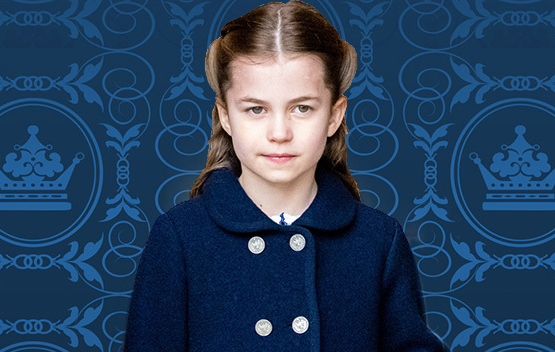
Royal observers believe that Charlotte’s confidence and temperament may help end the legacy of rivalry and strained relationships among royal siblings. These tensions have been well-documented, including in Prince Harry’s memoir, where he describes the emotional burden of being the so-called “spare.” According to insiders, both Prince William and Princess Kate are deliberately fostering closeness and equality between George, Charlotte, and Louis in their parenting style.

Experts argue that Charlotte’s role could redefine what it means to be a “spare” in a modern monarchy. Her supportive nature and moral maturity are seen as helping to normalize a sibling bond that has traditionally been fraught with tension.
In short, Princess Charlotte is not only symbolizing a break from outdated traditions but may also be instrumental in establishing a new royal legacy—one defined by mutual respect, unity, and emotional strength.