The Day He Walked Out, the Golden Retriever Stayed
We had already chosen the paint for the nursery and argued—playfully—over baby names when the ultrasound screen flickered and the technician smiled.
“It’s a girl.”
I laughed. I cried. I reached for my husband’s hand.
He didn’t take it.
Instead, he stood up so abruptly the chair scraped the floor. He muttered something about needing air, walked out of the room, and never came back in.
By the time I got home, his clothes were gone.
My name is Sarah, and the moment my husband heard the word girl, he decided our family was a failure.
Looking back, the warning signs weren’t subtle. They had been pacing the house on four legs long before I ever got pregnant.
His name was Cooper.
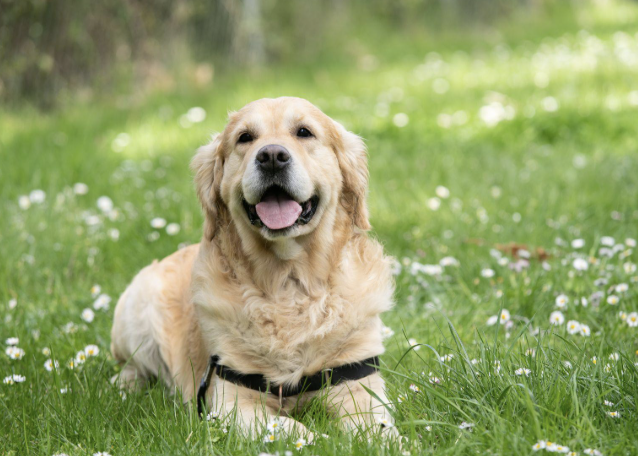
Cooper is sleeping beside me now—sixteen years old, joints stiff, golden fur faded almost white around his eyes. But back then, he was a young Golden Retriever I’d adopted against my husband Mark’s wishes.
Mark wanted a “real dog.” Something intimidating. Something that looked powerful in photos. Cooper was the opposite—too friendly, too gentle, too eager to please. He wagged his tail at strangers and leaned into affection like he’d been starving for it his whole life.
Mark hated that.
“He’s soft,” Mark used to sneer. “Useless. Dogs are supposed to have purpose.”
Cooper’s purpose, apparently, didn’t count.
He was banned from the living room. Forbidden from furniture. Yelled at for shedding. Shoved aside when he tried to follow us from room to room. Cooper learned quickly how to stay out of Mark’s way. He learned silence. He learned invisibility.
I should have paid attention.
When I got pregnant, Mark transformed overnight. But not in the way people romanticize. He didn’t talk about our baby. He talked about “the son.”
He bought sports memorabilia before we bought diapers. He spoke about bloodlines, last names, “fixing” his childhood through a boy who hadn’t even been conceived yet.
“Girls leave,” he said once, casually. “Boys carry you forward.”
I laughed then. I thought he was joking.
He wasn’t.
The ultrasound room was quiet after the technician spoke. I was still smiling when I realized Mark’s face had gone hard—like a door slamming shut.
“Check again,” he snapped.
“I’m certain,” the technician said, already uncomfortable.
Mark didn’t argue. He didn’t yell.
He just walked out.
At home, two suitcases waited by the door.
“This isn’t what I signed up for,” he said calmly, as if we were discussing a delayed shipment. “I need a son. I’m not wasting my life.”
And then he left.
No shouting. No tears.
Just absence.
I slid down the kitchen cabinets until I hit the floor. I remember thinking that my body had betrayed him. That I had failed at something biological and unfixable.
Then I felt a weight beside me.
Cooper.
He wasn’t allowed in the kitchen. He knew that. He hesitated at the threshold, then crossed it anyway—tail low, ears back, cautious but determined.
He nudged my hand. When I didn’t respond, he did something he had never done before.
He climbed into my lap.
Sixty-five pounds of warmth pressed against me as he curled his body around my stomach. He rested his head gently against my belly and let out a slow, steady breath.
It felt like an anchor dropping.
From that moment on, Cooper became my constant.
When the fear hit at night, he lay against my back. When the legal letters arrived, he placed his head on my knee. When my body changed and I didn’t recognize myself, Cooper watched me like I was still whole.
When my daughter Lily was born, Cooper met her before anyone else.
He sniffed the carrier once, then sat beside it—alert, protective, utterly calm. That spot became his. Under the crib. By the play mat. Next to her bed.
Mark wanted a son to mold.
Cooper raised a daughter instead.
He let Lily grab fistfuls of fur to learn how to stand. He endured dress-up crowns and clumsy hugs. He followed her through the yard like a silent guardian, never more than a few steps away.
When Lily fell, Cooper sat between her and the world until she stopped crying.
When she laughed, he wagged like it was the highest honor he’d ever earned.
Years later, I heard Mark got what he wanted. A son. Another marriage. Another attempt at legacy.
I also heard the shouting never stopped.
Cooper is old now. He sleeps more than he moves. But Lily—seven years old, confident, unafraid—still curls beside him every night, whispering secrets into his fur.
Mark thought a daughter was a failure.
He was wrong.
The best man in this house never needed a last name, a title, or a genetic claim.
He just stayed.