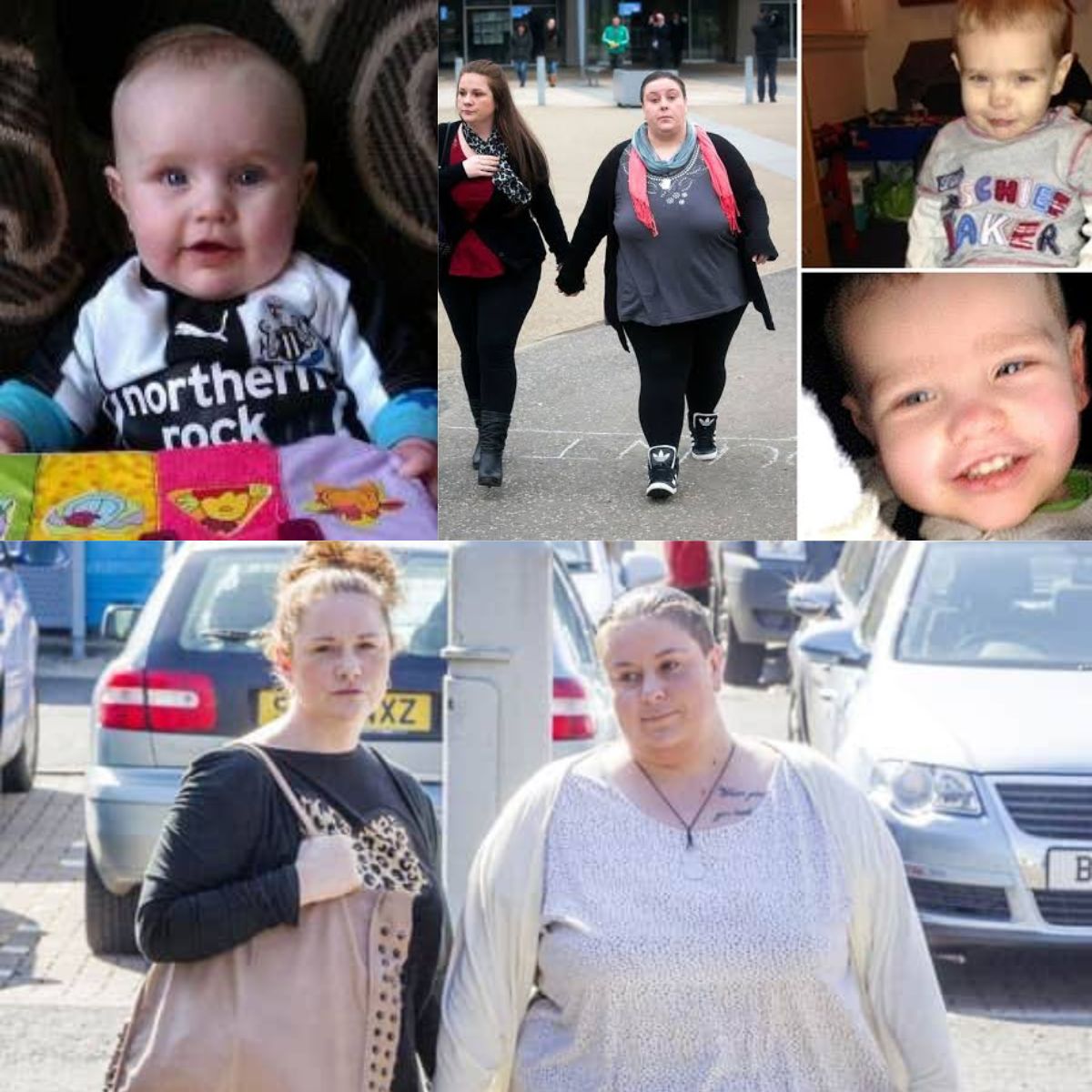
HORRIFYING CASE: A 2-YEAR-OLD BOY SUFFERED MORE THAN 30 INJURIES BEFORE HIS DEATH — AND WHAT INVESTIGATORS DISCOVERED AFTERWARD SHOCKED THE NATION. At first, Liam Fee’s death was reported as a tragic loss.
In one of the most disturbing child murder cases Scotland has ever witnessed, two-year-old Liam Fee endured a short life of relentless pain and terror before his tiny body finally gave out. What began as a reported tragedy in the family home near Glenrothes, Fife, quickly unravelled into a nightmare of prolonged abuse, cover-ups and shocking betrayal by the very people meant to protect him.
Liam’s mother, Rachel Fee, and her civil partner Nyomi Fee were convicted of his murder after a harrowing trial that laid bare years of cruelty. Both women were jailed for life. But what investigators discovered while examining evidence connected to the household – far beyond the devastating injuries on Liam’s broken body – left the nation reeling and raised even darker questions about what the adults knew in the hours and days before the toddler’s death.

Liam Fee, a blond-haired, blue-eyed toddler full of potential, died on March 22, 2014, at his home in Thornton, Fife. He was just two years old. At first glance, it seemed like a tragic medical event. But when doctors and pathologists examined his small body, the full horror emerged. The little boy had suffered more than 30 external injuries, many consistent with repeated blunt force trauma. His heart was ruptured – an injury so severe it was compared to those seen in road crash victims. He also had an untreated broken leg and a fractured arm, injuries that had been inflicted days and even hours before he died, leaving him in agonising pain.
Prosecutors described a household where Liam lived in constant fear, subjected to escalating abuse over months and years. The couple, Rachel Trelfa (also known as Rachel Fee) and Nyomi Fee, were found guilty after a seven-week trial at the High Court in Livingston. The jury delivered a majority verdict on the murder charge and all other counts of assault and ill-treatment. Rachel was ordered to serve a minimum of 23-and-a-half years, Nyomi at least 24 years.
A Childhood of Unimaginable Suffering
From the moment Liam entered the world, his life was marked by instability. The women, who were in a civil partnership, had other children in their care, including two young boys who would later play a pivotal role in bringing the truth to light. Jurors heard devastating testimony from those boys, who described a home filled with cruelty, neglect and violence.
Liam endured injuries across his body: bruises, lacerations, fractures to his thigh and upper arm, and trauma to sensitive areas. A paediatric pathologist told the court that the toddler almost certainly spent his final days in excruciating pain. The fatal blow – or blows – caused a laceration to his heart that led to rapid death. Experts said the force required was immense.
Yet instead of rushing their dying child to hospital when things became critical, the women allegedly delayed seeking help. In the immediate aftermath, they made a 999 call in which they tried to shift the blame onto one of the other young boys in the house, claiming he had strangled Liam. That desperate attempt to cover their tracks would later backfire spectacularly.
The Chilling Evidence That Shocked the Court
One of the most disturbing revelations came not just from Liam’s injuries, but from digital evidence and items uncovered in the home. Police seized the women’s mobile phones and discovered a series of cold, calculated internet searches made in the days and hours surrounding Liam’s death. Among them: queries about “how do you die of a broken hip?”, “how do you die of a broken leg?”, and even searches related to prison sentences for women.
The day before Liam died, one phone had searched: “Can wives be in prison together?” These searches, prosecutors argued, revealed a chilling awareness of the injuries they had inflicted and a desperate attempt to understand the consequences.
Further evidence included jokes allegedly made about drowning children and other items in Liam’s bedroom that raised questions about restraint or punishment methods. During police interviews, the women were confronted about these discoveries, but their explanations only deepened suspicions. The evidence painted a picture of adults who knew exactly how badly Liam was hurt – and chose not to help him.
This wasn’t a one-off explosion of violence. The court heard of a pattern of abuse stretching back over two years, with warning signs repeatedly ignored or explained away. Nursery staff and a childminder had raised concerns about bruises and injuries on Liam. Social services were contacted, and even a joint visit with police occurred. But explanations from Rachel – that Liam was “self-harming” or had simply fallen – were accepted. Gaps in communication and missed opportunities allowed the horror to continue. A later independent review confirmed chances to intervene had been missed, though it stopped short of saying the death was predictable.
The Other Victims: Brave Boys Who Spoke Out
The testimony of the two other boys who lived in the household was crucial. They described being subjected to their own ordeals of physical and emotional abuse. Their courage in speaking about what they witnessed helped seal the case against the women. The jury convicted Rachel and Nyomi of multiple charges relating to the abuse of these children as well.
One of the boys had allegedly been pressured or intimidated into taking the blame for Liam’s death in the immediate aftermath – a tactic that ultimately contributed to the women’s downfall when the full story emerged.
Inside the Trial: Seven Weeks of Heartbreaking Evidence
The High Court in Livingston heard seven weeks of evidence that left jurors, lawyers and the public gallery deeply affected. One juror later said the details “will never leave” him. Medical experts presented graphic testimony and photographs showing Liam’s injuries. Emergency service recordings captured the chaos of that final day.
The women denied murder throughout, insisting they had not harmed Liam and pointing fingers elsewhere. But the weight of forensic, medical and digital evidence proved overwhelming. The prosecution described Liam as a defenceless child at the mercy of those who should have loved and protected him.
When the guilty verdicts were delivered, it brought a measure of justice for Liam – but nothing could restore the innocent life stolen from him.
Sentencing: Justice for a Toddler Taken Too Soon
On July 6, 2016, Judge Lord Burns sentenced the pair at the High Court in Edinburgh. Rachel Fee received a life sentence with a minimum term of 23-and-a-half years. Nyomi Fee was given a minimum of 24 years. The judge described the crimes as horrific and noted the women’s lack of remorse.
In the years since, appeals have been rejected. The case prompted reviews of child protection procedures in Fife and beyond, highlighting failures in information sharing and the need for better training to spot signs of abuse.
Liam’s Memory: A Call for Greater Protection
Liam Fee was a happy, smiling toddler whose life was cut brutally short. Photos shown in court and released publicly captured a little boy who deserved safety, love and a chance to grow up. Instead, he endured pain that no child should ever experience.
His death exposed uncomfortable truths about how vulnerable children can slip through the cracks even when concerns are raised. Campaigners have used the case to push for stronger safeguarding, faster intervention and better support for at-risk families.
The community in Fife, and the wider public, was left horrified by the details that emerged. Vigils and tributes honoured Liam’s short life, while questions lingered about how such cruelty could go unchecked for so long.
A Darker Turn: What the Adults Knew
The internet searches and the immediate attempt to blame another child represented the darkest turn in the case. They suggested not just violence, but a calculated awareness and a willingness to protect themselves at all costs – even as a toddler lay dying. This evidence, revealed in court, transformed the narrative from one of possible neglect to one of deliberate, sustained abuse and cover-up.
Experts and observers noted that the women appeared more concerned with their own futures than with saving Liam. That cold reality shocked the nation and continues to fuel debate about accountability in child protection cases.
Lessons Still Being Learned
More than a decade on, the Liam Fee case remains a painful reminder of the hidden horrors that can occur behind closed doors. It prompted soul-searching in social work departments, police protocols and the courts. While no system is perfect, the missed opportunities in Liam’s case underscored the need for vigilance, better coordination and a willingness to act decisively when a child’s safety is in doubt.
For Liam’s extended family and those who loved him, the pain endures. No sentence can bring him back or erase the suffering he endured. But the convictions and the public exposure of the case stand as a testament to the importance of listening to warning signs and protecting the most vulnerable.
Little Liam Fee, with his innocent smile and brief life, deserved so much better. His story continues to resonate as a call to action: to see the bruises, to question the excuses, and to ensure no other child suffers the same fate.
The women responsible remain behind bars, where they will spend decades reflecting on their crimes. For the rest of us, Liam’s memory demands that we do better – that we never look away when a child needs help.
This was not just a tragic death. It was a brutal murder enabled by cruelty, neglect and missed chances. And the chilling evidence uncovered in the household ensured that justice, however imperfect, was finally served.