
“A TERRIBLE FATE AWAITS HIM” — Preston Davey’s killer Jamie Varley begins a whole-life sentence inside HMP Wakefield, the same high-security prison already stained by a series of brutal inmate murders.
In the shadow of Britain’s most feared high-security prison, one of the most reviled child killers in modern history has arrived to serve out the rest of his days. Jamie Varley, the 37-year-old former teacher who subjected his 13-month-old adopted son Preston Davey to months of unimaginable sexual, physical and emotional torture before murdering him, has been handed a whole-life order — meaning he will die behind bars.
But what has sent ripples of alarm through the prison service isn’t just the sheer horror of his crimes. Varley has been transferred to HMP Wakefield — the notorious “Monster Mansion” already stained by the recent brutal murders of fellow high-profile inmates, including paedophile singer Ian Watkins and child killer Kyle Bevan. Insiders warn that placing this latest monster in a specific wing among some of Britain’s most dangerous offenders could ignite explosive new tensions.
The facility, long a dumping ground for the worst of the worst, is once again under the spotlight as fears grow that vigilante justice — or cold, calculated revenge — could claim another life in its blood-soaked corridors.
The Sickening Crimes That Shocked Britain
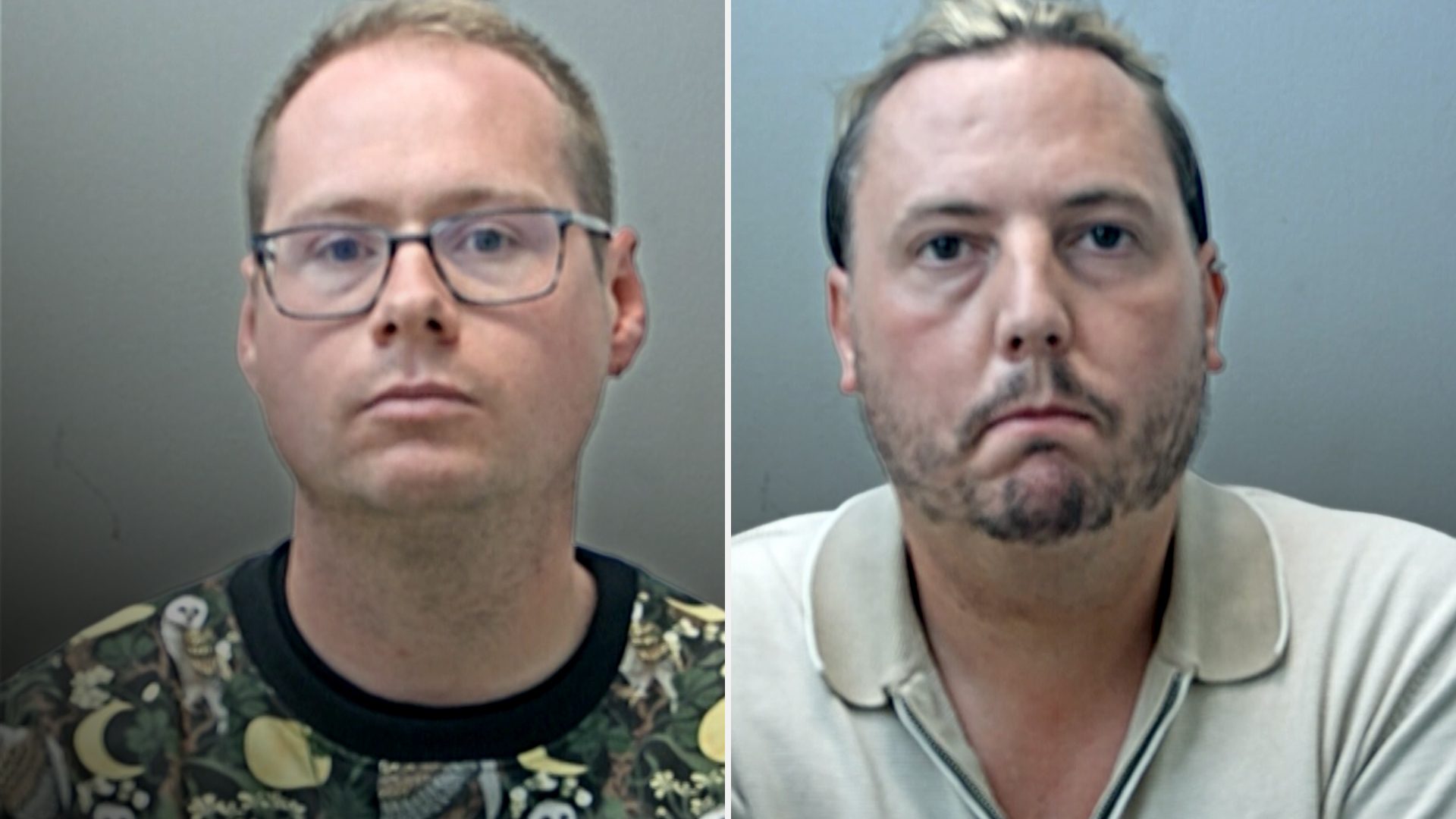
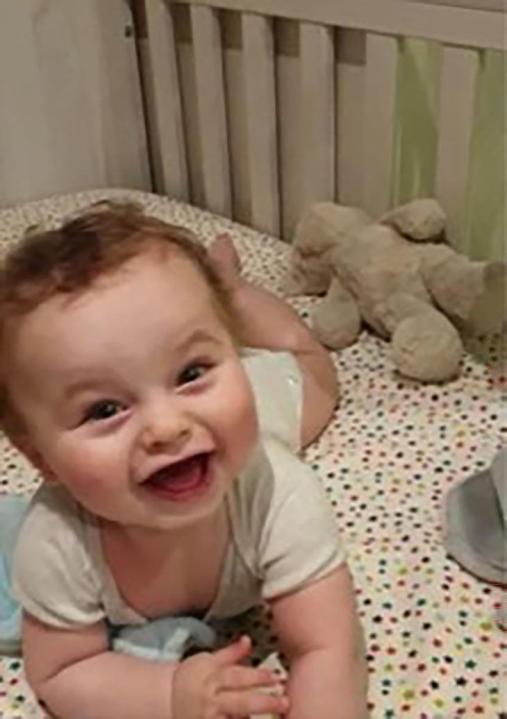
Jamie Varley and his then-partner John McGowan-Fazakerley adopted little Preston Davey in April 2023. The baby, born in June 2022 and previously described as happy, healthy and bubbly while in foster care, entered what prosecutors called a “reign of terror.”
Over the next four months, Preston endured horrific abuse at the couple’s Blackpool home. A post-mortem revealed around 40 separate injuries — external bruises, internal trauma consistent with forcible penetration, a torn anus, perforated bowel, bite marks, and a healing fracture to his arm. The judge described it as treating the defenceless toddler like a “plaything.”
On July 27, 2023, Varley rushed the unresponsive child to Blackpool Victoria Hospital, claiming he had left him in the bath and returned to find him submerged. But medics noted Preston was dry, with no evidence of drowning. He was pronounced dead despite desperate efforts to revive him. The true cause: acute upper airway obstruction, likely from smothering or objects forced into his mouth.
Varley, a secondary school teacher ironically involved in child safeguarding, spun lies and protested his innocence even after arrest, telling officers he would “fight you to the day I die.” An eight-week trial at Preston Crown Court exposed the full depravity. He was convicted of murder, multiple counts of child cruelty, sexual offences including assault by penetration, and making indecent images. McGowan-Fazakerley was convicted of allowing the death and related offences.
On June 18, 2026, Mr Justice Turner delivered a whole-life order to Varley at Preston Crown Court, calling it a case of “the utmost extreme gravity.” McGowan-Fazakerley received 25 years. Preston’s biological family spoke of “unimaginable pain,” with one relative saying no sentence could ever be enough.
Monster Mansion: A Prison in Crisis

HMP Wakefield, the grim Victorian fortress in West Yorkshire, already houses hundreds of the UK’s most dangerous men — rapists, terrorists, paedophiles and murderers with nothing left to lose. Its reputation as “Monster Mansion” is well-earned.
In October 2025, former Lostprophets singer Ian Watkins — a vile paedophile serving 29 years — was stabbed to death in his cell. Just weeks later, in November 2025, Kyle Bevan, the monster jailed for the murder of two-year-old Lola James, was ambushed by three fellow inmates, stabbed more than 25 times, and left “tidily tucked up in bed” while his killers strolled away laughing. Those three men — Mark Fellows, Lee Newell and David Taylor — were themselves handed whole-life orders in June 2026.
Recent inspections have highlighted a sharp rise in violence, with reports of insufficient progress despite some measures. Overcrowding, staff shortages, crumbling infrastructure and a volatile mix of lifers have turned the prison into a pressure cooker. Older, calculated inmates see themselves as enforcers of a twisted “code” against those who harm children.
Now Varley — a former teacher who abused a baby in his care — joins this hellish environment. Sources indicate he has been placed on a specific wing known for housing high-risk sex offenders and vulnerable prisoners, or one where tensions between groups run particularly high. Insiders fear this decision could prove catastrophic.
One prison source told the Daily Mail: “Putting someone like Varley in there is playing with fire. The place is still reeling from Watkins and Bevan. Inmates talk. They know who he is. A terrible fate could await him — or spark even more chaos.”
The Broader Failure: How Did This Happen?
The case has exposed shocking safeguarding failures. Preston was taken to hospital three times during his short time with Varley and McGowan-Fazakerley, yet concerns were not properly escalated. Social workers and medics missed or failed to act on warning signs. A teacher entrusted with protecting children was instead destroying one.
Children’s Minister Josh MacAlister branded the perpetrators “evil” and acknowledged state failures, prompting renewed calls for urgent reforms in adoption processes, child protection and monitoring of at-risk families. Preston’s biological mother has spoken of her devastation and anger that the system let her son down so catastrophically.
Victims’ rights groups and campaigners are demanding answers. How was a man like Varley allowed anywhere near a vulnerable child? Why were red flags ignored? The scandal has reignited debates about vetting for adopters and the need for far stricter oversight.
Life Inside Wakefield: Vigilante Justice or Anarchy?
For men like Varley, arrival at Wakefield is not just incarceration — it is entering a world where the usual rules barely apply. The prison’s history of internal violence suggests that high-profile child killers are often targets. Bevan’s killers acted swiftly and with apparent satisfaction. Similar sentiments could surface again.
Prison officers’ unions have repeatedly warned of chronic understaffing and the impossibility of constant supervision in such a volatile environment. Call bells go unanswered, wings feel lawless, and intelligence about brewing threats can be slow to act upon.
Critics argue the system is broken: we lock monsters away but then fail to protect even them from each other, while the public loses faith in justice being properly administered. Others quietly — or not so quietly — suggest that rough justice inside is poetic for the worst offenders. Either way, it exposes a penal system in meltdown.
Across the country, prisons are overcrowded, violence is rising, and early release schemes have backfired in some cases. Wakefield stands as a stark symbol of deeper failures — outdated facilities, inadequate mental health support, and a revolving door that fails both victims and society.
Public Outrage and Calls for Reform
The reaction to Varley’s sentencing and transfer has been predictably explosive. Social media is flooded with comments expressing little sympathy for his potential fate inside, with many focusing instead on Preston’s short, brutal life and the need to prevent future tragedies. Hashtags calling for tighter adoption rules and harsher child protection measures are trending.
Preston’s family and campaigners want systemic change so no other innocent child suffers as he did. “No sentence will ever be enough,” they have said, but ensuring such evil is properly contained and future adoptions are safer is paramount.
Meanwhile, prison reformers warn that unchecked violence inside facilities like Wakefield undermines the entire justice system. If the state cannot maintain order even among the worst offenders, what message does that send?
What Lies Ahead for Varley — And Wakefield
Varley will spend the rest of his natural life in conditions few can imagine — constant vigilance, limited privileges, and the ever-present risk from fellow inmates who despise his kind. Whole-life orders are reserved for the most heinous cases, and his fits that category perfectly.
But his arrival adds another layer of strain to an already troubled prison. Authorities will no doubt increase monitoring, but past incidents show how quickly things can escalate in hidden corners or brief unsupervised moments.
The Ministry of Justice says improvements are being made — better intelligence, enhanced searches, infrastructure work. Yet with multiple high-profile deaths in quick succession, scepticism abounds. A full independent review of Wakefield has been demanded by opposition politicians and unions.
For little Preston Davey, justice has been delivered in the form of lifelong imprisonment for his killer. But his memory demands more: a system that actually protects the vulnerable before tragedy strikes and maintains control afterwards.
As Varley settles into his new reality in Monster Mansion, the echoes of past violence linger. The laughter of killers walking away from Bevan’s cell. The bloodied aftermath of Watkins’ stabbing. And now, the arrival of another monster who may face his own “terrible fate.”
Britain’s prisons are supposed to be places of punishment, not gladiatorial arenas. Yet the shockwaves from Wakefield continue. The public is watching. The system is creaking. And innocent victims like Preston deserve far better than the failures that enabled their suffering — and the chaos that follows their killers inside.
How many more warnings will it take before real, meaningful reform tears down the rot in Monster Mansion and beyond?