
After Ferrari chairman John Elkann’s bold statement urging drivers to “talk less and drive more,” Charles Leclerc and Lewis Hamilton did something no one expected — they stood united in a powerful response. What they said next not only silenced critics but sent a clear message through the heart of the Formula 1 world. 👇👇👇
⚔️ The Silent Counterpunch: Hamilton and Leclerc Unite to Redefine the Ferrari Ethos

The history of Scuderia Ferrari is often a volatile mix of unmatched triumph and spectacular internal drama. In the wake of a disastrous double retirement at the São Paulo Grand Prix, that volatile spirit erupted once more, this time initiated not by an on-track skirmish, but by a chilling, public directive from the very top.
Ferrari chairman John Elkann, fresh off celebrating a championship win in the World Endurance Championship (WEC), drew a sharp, stinging comparison to his struggling Formula 1 outfit. While praising the engineers and mechanics, he delivered an unequivocal ultimatum to his star drivers. They must, in his words, “focus on driving and talk less,” suggesting that certain “prima donna attitudes” and an undue focus on individual rather than team aspirations were responsible for the season’s mounting disappointment.
The comment, widely interpreted as a direct criticism of both Charles Leclerc, the loyal homegrown talent, and Lewis Hamilton, the championship-winning veteran, was designed to silence frustration and demand immediate results. But what followed was not a panicked surrender to the management’s decree, but a powerful, unified, and utterly unexpected counter-narrative.
The Double Declaration

Within hours of the chairman’s remarks making global headlines, both drivers took to their social media platforms, delivering messages that were measured in tone but defiant in their underlying purpose. They did not engage in the public blame game, nor did they directly mention Elkann. Instead, they focused on the only two things that matter in a crisis: resolve and unity.
Charles Leclerc, the man who has pledged his future to the Scuderia despite years of setbacks, stressed the essential truth of their path forward.
“A very difficult weekend in São Paulo,” Leclerc wrote. “It’s uphill from now, and it’s clear that only unity can help us turn that situation around in the last 3 races. We’ll give it all, as always.”
His message was an elegant but firm plea for cohesion. By emphasizing unity, he gently placed the onus for improvement on the entire structure, subtly pushing back against a narrative that sought to isolate the blame on the drivers. In the context of Elkann’s praise for the “united” WEC team, Leclerc’s statement served as a strategic reminder that unity must be a top-down mandate, not just a grassroots effort.
Lewis Hamilton, meanwhile, delivered a message that was pure, vintage defiance—a declaration that has defined his legendary career.
“I back my team. I back myself. I will not give up. Not now, not then, not ever. Thank you, Brazil, always.”
Hamilton’s response was a masterclass in controlled self-belief. It spoke of loyalty to the men and women in the garage, the mechanics the chairman had praised. Crucially, by declaring “I back myself,” the seven-time champion reminded the world that his confidence is the shield of a winner, not the indulgence of a “prima donna.” It was an undeniable signal that he still believes he is the key to Maranello’s salvation, and he will not be intimidated into silence.
Redefining the Ferrari Narrative
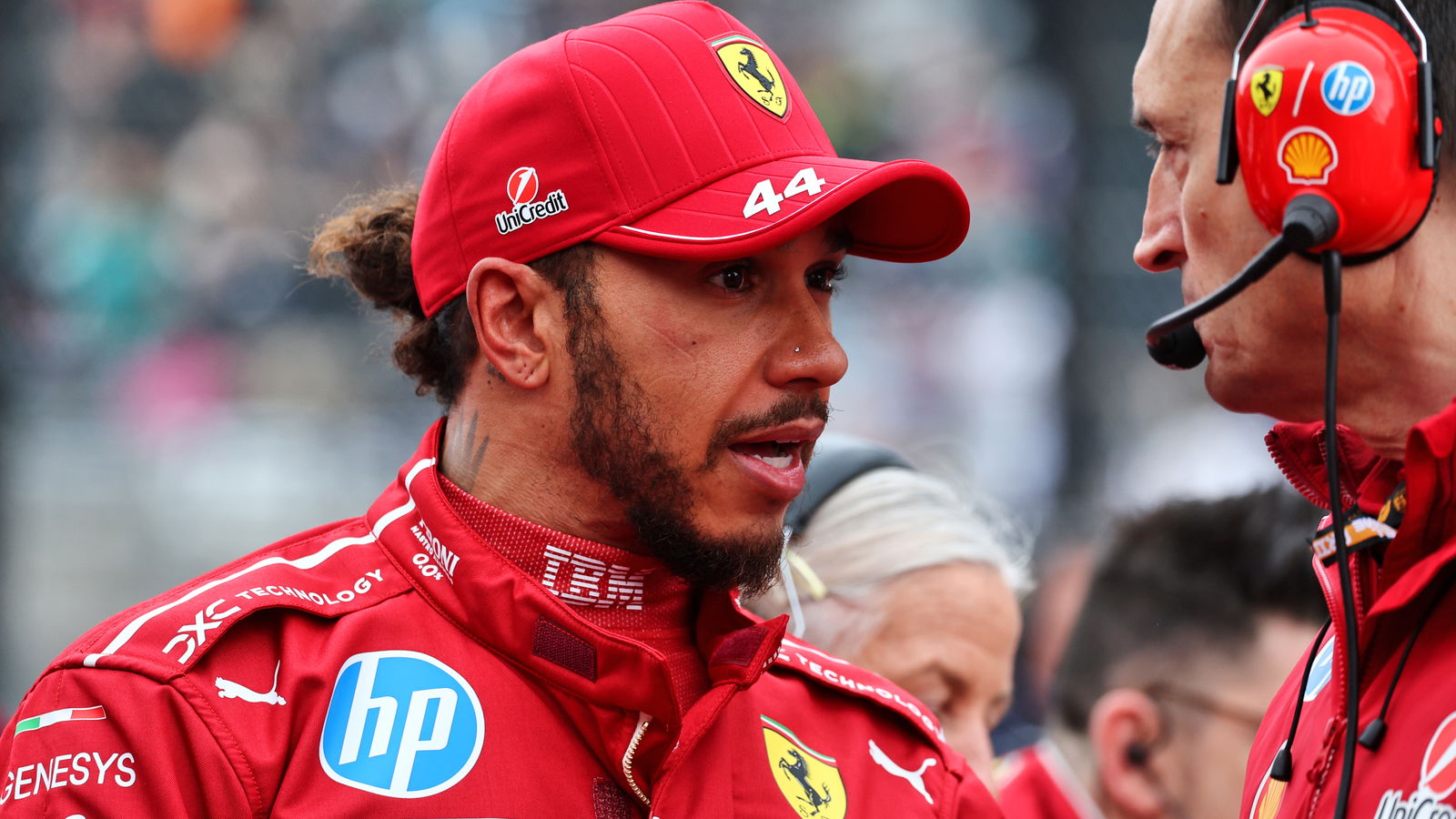
The combined effect of their statements was far more impactful than any angry soundbite. Leclerc’s call for unity and Hamilton’s vow of unyielding self-belief created a shared front that resonated with the global Formula 1 community. They shifted the public conversation from a focus on the chairman’s criticism to the drivers’ commitment.
This incident laid bare an age-old challenge for the most famous team in motorsport: success requires more than fast cars and talented individuals; it demands a stable, supportive culture. By standing together, the two drivers effectively told the leadership that blaming the talent after years of structural underperformance is counterproductive.
What began as a corporate critique morphed into a defining moment. Leclerc and Hamilton did not “talk less”; they spoke with the clarity and power of those who refuse to be scapegoated. Their synchronized messages sent a clear signal through the heart of the paddock: The responsibility for victory at Ferrari belongs to everyone, and the drivers will use every tool, including their voices, to champion the change required. The fight for Scuderia Ferrari’s future is no longer just on the track, but in the battle for its very soul.