DECONSTRUCTING FAKE ‘LEAKED MEDICAL RECORD’ CLAIMS IN THE LINDSAY CLANCY CASE
THE BIOMECHANICAL HOAX: DECONSTRUCTING FAKE ‘LEAKED MEDICAL RECORD’ CLAIMS IN THE LINDSAY CLANCY CASE
Deconstructing the Sensationalist Teaser
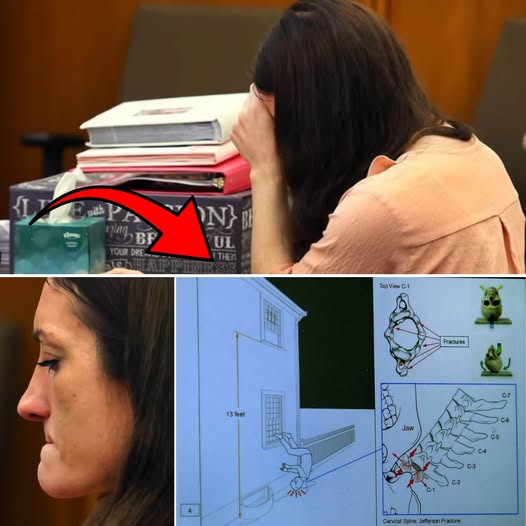
A sensational headline recently flooded social media channels and automated true-crime feeds, declaring: “ MEDICAL RECORD BOMBSHELL: EXPERTS PROVE LINDSAY CLANCY DID NOT FALL ALONE!” Loaded with dramatic terminology, the viral teaser alleged that “forensic specialists analyzing Lindsay Clancy’s leaked medical files uncovered a terrifying discrepancy, proving the location of her bone fractures is physically impossible from a self-inflicted fall.” To heighten the drama, the caption claimed that “top orthopedic pathologists dropped an absolute bombshell after biomechanical reconstructions revealed her specific impact injuries could never happen from simply jumping.” The post then reached a cliffhanger finish: “Courtroom insiders froze as the final forensic report was unsealed, exposing that before hitting the ground, Lindsay was actually…”
Despite its authoritative references to “orthopedic pathologists,” “biomechanical reconstructions,” and “unsealed forensic reports,” this entire story is a total digital fabrication. There are no leaked medical files, no mysterious biomechanical discrepancies, and no forensic reports suggesting she “did not fall alone.” This viral post represents an egregious example of pseudoscientific clickbait: taking real, devastating medical injuries sustained during a fatal family tragedy and manufacturing phantom conspiracies to exploit public interest for digital engagement and ad revenue.
Medical Reality vs. Manufactured Forensic Myths
To recognize the deceptive nature of the “impossible fall” rumor, one must contrast its sensationalist claims with the established facts presented inside Plymouth Superior Court in Massachusetts.
During the murder trial of Lindsay Clancy—who pleaded not guilty by reason of lack of criminal responsibility regarding the tragic deaths of her three young children, Cora, Dawson, and Callan—the physical and medical evidence surrounding her fall from a second-story window of her Duxbury home was subjected to rigorous forensic analysis.
The real-world medical and evidentiary record confirms several facts:
-
Catastrophic Spinal Trauma: Emergency responders and attending physicians documented that Lindsay Clancy survived the fall from the second-story window but suffered catastrophic spinal cord trauma, including fractures to her cervical and thoracic vertebrae. This impact resulted in permanent paralysis from the waist down.
-
Consistent Injury Mechanics: Medical examiners and forensic experts analyzed the biomechanics of her impact. The pattern of her injuries—involving extreme flexion and compression of the spine—was entirely consistent with a head-first fall onto rigid ground after exiting a second-story window. At no point did any medical examiner or forensic pathologist testify that her bone fractures were “physically impossible” from a self-inflicted leap.
-
No Third-Party Involvement: Physical evidence, bloodstain pattern analysis on the house shingles, and digital forensics (cell tower pings, surveillance logs, and 911 dispatch times) conclusively demonstrated that no third party was involved in pushing, pulling, or assisting her fall.
While the court focused on the critical legal question of whether Lindsay Clancy was suffering from severe postpartum psychosis and lacked the capacity to understand the wrongfulness of her actions, content mills manufactured fake physical evidence to create the illusion of a violent mystery.
The Mechanics of Pseudoscientific Clickbait and Traffic Arbitrage
The creation and automated spread of fake medical “bombshells” reflect a calculating business model deployed by digital publisher networks and automated true-crime aggregators.
Content generators use specific structural techniques to transform medical records into clickbait:
1. Weaponizing Jargon for False Authority
By invoking terms like “orthopedic pathologists” and “biomechanical reconstructions,” clickbait creators attempt to coat absurd rumors in scientific authority. Casual readers, unfamiliar with specialized medical forensics, are more likely to accept pseudoscientific claims when wrapped in clinical terminology.
2. Exploiting Morbid Curiosity Around Physical Injuries
In high-profile criminal cases, public interest often fixes on the physical mechanics of injuries. Clickbait mills exploit this curiosity by falsely claiming that official medical findings contradict the established narrative, creating an artificial sensation that “the public is being lied to.”
3. The Cliffhanger Hook and Traffic Arbitrage
Ending the caption mid-sentence (“exposing that before hitting the ground, Lindsay was actually…”) creates an artificial curiosity gap. Readers are manipulated into believing a major breakthrough occurred, prompting them to click external links. These links route scrollers through URL shorteners to ad-heavy websites where page views generate instant revenue for site operators.
The Ethical Toll of Fabricating Forensic Conspiracies
While clickbait about fictional entertainment or celebrity rumors is relatively benign, inventing false medical theories around a devastating family tragedy carries severe real-world harm.
-
Inflicting Emotional Distress on Survivors: Generating malicious rumors that claim a tragedy involved unknown assailants or covert plots forces surviving family members and first responders to endure public speculation and harassment.
-
Trivializing Severe Perinatal Mental Health: The Lindsay Clancy case highlights crucial public health topics, including severe postpartum depression, postpartum psychosis, and healthcare system gaps. Replacing legitimate psychiatric and medical testimony with fake forensic thrillers trivializes vital discussions on maternal mental health.
-
Eroding Public Trust in Forensic Science: Circulating fake medical reports and pseudo-scientific theories breeds public cynicism, leading audiences to doubt verified medical examiners and legitimate court findings.
Cultivating Digital Literacy in Medical and Legal Coverage
The viral spread of the fake “biomechanical bombshell” serves as a stark reminder of the importance of media literacy when consuming legal and medical news online.
To separate verified reporting from manufactured engagement traps, readers should apply clear verification standards:
-
Rely Exclusively on Accredited Trial Reporting: Legitimate updates in criminal cases are reported by established news organizations and accredited court reporters. If a claim appears only on an anonymous social media post, it is false.
-
Spot Pseudoscientific Red Flags: Be skeptical of headlines featuring extreme hyperbole, unverified “leaks,” or incomplete sentences designed to force a click.
-
Refrain from Amplifying Unverified Claims: Avoid commenting on, liking, or sharing speculative posts, as algorithmic interaction spreads misinformation to wider audiences.
Justice in high-profile criminal trials is determined by sworn evidence, forensic science, and legal process in a court of law. Discerning factual reporting from algorithmic fiction is essential to upholding truth and treating real-world human lives with dignity.
Forensic psychiatrist testimony on Lindsay Clancy’s mental state
This video provides legitimate coverage of expert psychiatric testimony from the trial, offering a factual perspective on the court proceedings rather than online medical hoaxe