A Shocking True Story on Netflix: “The Royal Hotel” Leaves Viewers Speechless with Its Terrifying Tale of Deception, Fear, and Survival


In the vast, unforgiving expanse of the Australian Outback, where isolation amplifies every human flaw, a gripping psychological thriller has captivated Netflix audiences worldwide. “The Royal Hotel,” directed by Kitty Green and starring Julia Garner and Jessica Henwick, transforms a real-life nightmare into a heart-pounding exploration of misogyny, resilience, and the breaking point. Inspired by the 2016 documentary Hotel Coolgardie, which chronicled the harrowing experiences of two Finnish backpackers in a remote mining town pub, the film pulls no punches in exposing the dark underbelly of toxic masculinity.
The teaser promises deception, fear, and a final revelation that sparks endless debates—and it delivers. Viewers find themselves glued to the screen as two young women navigate a world where every smile hides a threat, and survival demands more than just endurance. But what makes this story so profoundly unsettling is its roots in reality, making the fiction feel all too plausible.
The Setup: Backpackers in Desperate Need of Cash
Hanna (Julia Garner) and Liv (Jessica Henwick) are best friends on an adventurous backpacking trip through Australia. After partying on a yacht in Sydney, their funds run dry when a credit card fails. Eager for quick cash to continue their journey, Liv convinces a reluctant Hanna to accept a live-in bartending job at The Royal Hotel, a rundown pub in a remote Western Australian mining town.
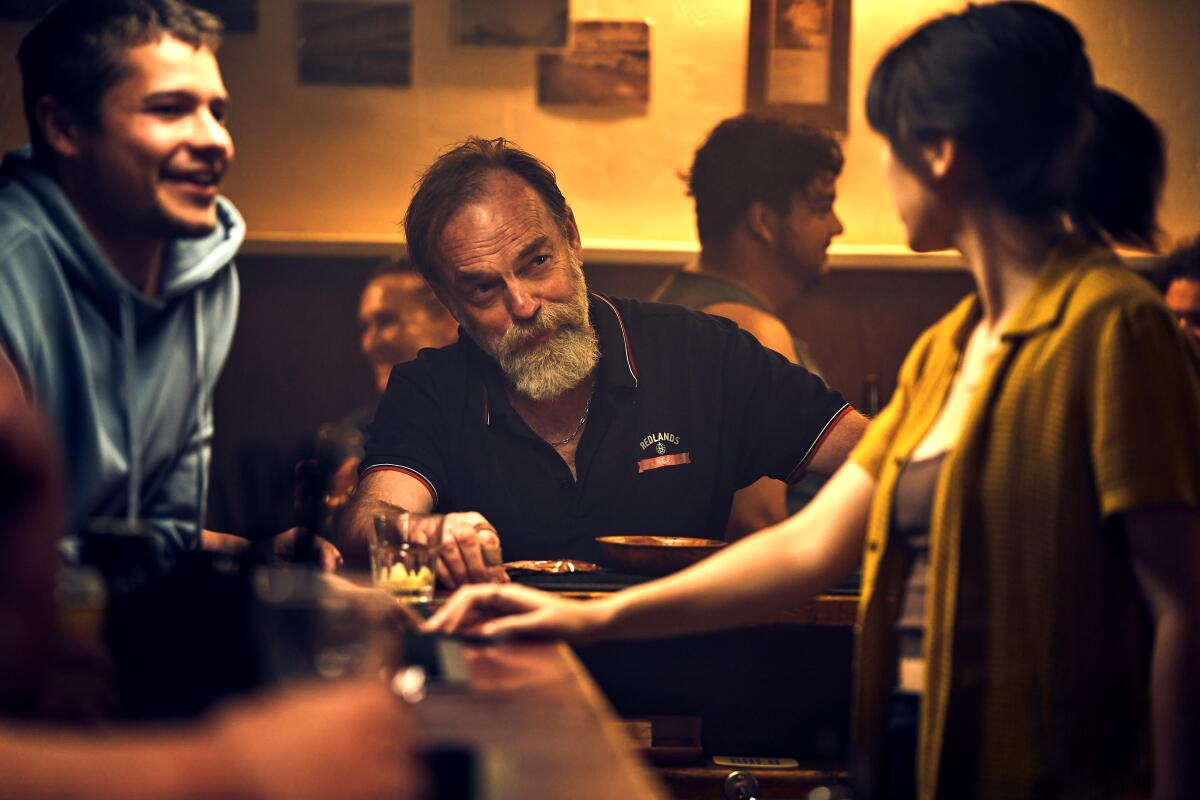
Upon arrival, the isolation hits hard. The town is a dusty speck with a handful of residents, dominated by hard-drinking miners. The pub’s owner, Billy (Hugo Weaving), and his wife Carol greet them, but the welcome is laced with unease. Their first shift coincides with a raucous farewell party for the previous bartenders—two English women who seem relieved to escape.

Hanna immediately senses the danger. The constant catcalling, leering glances, and crude jokes from the male patrons create an atmosphere thick with tension. Liv, more optimistic and adventure-seeking, brushes it off as cultural differences or “just the way things are out here.” This dynamic between the cautious Hanna and the bolder Liv drives much of the film’s emotional core, highlighting how women often process the same threats differently.
The film masterfully builds dread through everyday interactions. Patrons like the charming yet persistent Matty (Toby Wallace), the more menacing Dolly (Daniel Henshall), and others treat the women as objects of entertainment in a town starved of female company. Subtle aggressions escalate: unwanted advances, possessive behavior, and a pervasive sense of entitlement.
The Real-Life Inspiration: From Documentary to Drama
“The Royal Hotel” doesn’t invent its core horrors. It draws directly from Pete Gleeson’s Hotel Coolgardie, which followed Finnish backpackers Lina and Steph. After being robbed in Bali, they took a bar job in Coolgardie (the real pub was the Denver City Hotel) to replenish funds. What they endured—sexual harassment, objectification, verbal abuse, and isolation—was captured unflinchingly in the documentary.
Lina later recounted biting their tongues to keep the job, crying behind closed doors, and feeling like “fresh meat.” The film fictionalizes details—changing nationalities to Canadian/American, altering circumstances, and crafting a more dramatic climax—but captures the essence of entrapment due to financial desperation and remoteness.
Director Kitty Green, reuniting with Garner from The Assistant, uses this foundation to craft a feminist thriller that feels urgent. The Outback’s stark beauty contrasts sharply with the ugliness indoors, amplifying themes of vulnerability in male-dominated spaces.
Escalating Tension: A Pressure Cooker of Misogyny
As days turn into a nightmare, the women face increasing hostility. A snake in their room is the least of their worries. Billy’s alcoholism and ineffectual protection, combined with the miners’ boredom and aggression, create a powder keg. Hanna tries to set boundaries, while Liv attempts to fit in, leading to friction between the friends.

Key supporting characters heighten the realism: Carol (Ursula Yovich), who offers fleeting solidarity but is trapped in her own circumstances, and various locals who embody different shades of toxicity—from clumsy flirtation to outright menace.
The film excels in psychological horror. There’s no single villain but a systemic issue: a culture where women are disposable entertainment. Viewers feel the claustrophobia, the constant scanning for exits, and the exhaustion of vigilance. Small acts—like locking doors or avoiding eye contact—carry enormous weight.
The Climax and Final Revelation: Burning It All Down
Without spoiling specifics (though the teaser warns of arguments post-credits), the situation spirals out of control. A night of escalating threats forces Hanna and Liv to confront their limits. The film’s finale is cathartic yet ambiguous, leaving audiences debating justice, revenge, and survival. Hanna’s transformation from wary observer to decisive actor is particularly powerful, showcasing Garner’s range.
The ending, involving fire and departure, symbolizes rejection of an irredeemable system. It’s not tidy, mirroring how real victims process trauma—through action, solidarity, and moving forward, scars intact. This “final revelation” based on true events resonates because it echoes broader societal failures in addressing harassment.
Why “The Royal Hotel” Strikes a Nerve
Critics praise the film for its tension and performances. Garner delivers a nuanced portrayal of quiet strength turning fierce, while Henwick brings charisma and vulnerability. Green’s direction, with cinematography capturing the Outback’s desolation, makes the environment a character itself.
On Netflix, it sparks conversations about workplace safety, travel risks for women, and toxic masculinity. Some argue it paints too bleak a picture of rural Australia; others see universal truths about power imbalances anywhere. The documentary’s subjects faced even grimmer realities, including severe health issues for one.
At its heart, “The Royal Hotel” is a survival story. It reminds viewers that danger often lurks not in monsters but in ordinary men enabled by isolation and impunity. The women’s bond, tested to breaking, ultimately saves them—underscoring female solidarity.
Viewing Recommendations and Impact
If you’re drawn to smart thrillers like The Assistant, Promising Young Woman, or Outback classics like Wake in Fright, this is essential viewing. Its 91-minute runtime flies by, packed with unease that lingers. Watch with friends for post-viewing debates—does the ending empower or terrify?
“The Royal Hotel” isn’t just entertainment; it’s a mirror to uncomfortable realities. In an era of #MeToo reckonings, it demands we examine the everyday threats women face and the courage required to break free. Stream it before spoilers ruin the gut-wrenching payoff. Just remember: in the Outback, or anywhere, vigilance is survival.
This tale of deception and resilience will leave you speechless—and perhaps more aware. What would you do in their shoes? The debate continues long after the screen fades to black.