THE FABRICATION OF CLASSICAL SCANDAL: DECONSTRUCTING THE ‘ANDRÉ RIEU FATAL DECISION’ HOAX
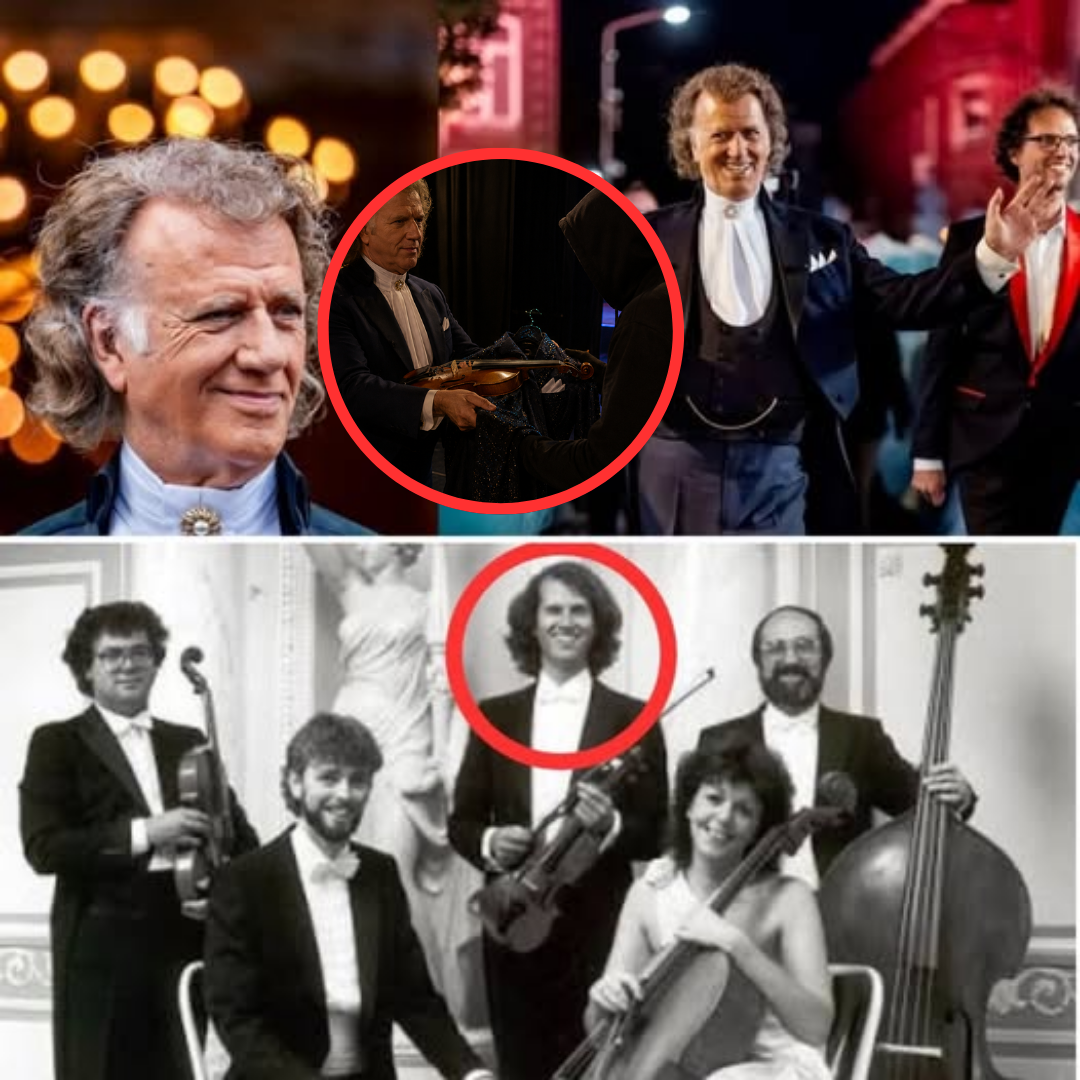
Deconstructing the Sensationalist Teaser
A dramatic social media teaser recently surged through online content aggregators, automated video channels, and viral entertainment feeds, declaring in alarmist capital letters: “SECRET PAST EXPOSED: THE FATAL DECISION THAT NEARLY DESTROYED ANDRÉ RIEU! Long before filling global arenas, classical maestro André Rieu faced an agonizing collapse when music industry moguls completely rejected his vision and declared him a failure. Refusing to surrender, Rieu risked absolute bankruptcy and mortgaged his entire life to launch the Johann Strauss Orchestra against all warnings. Leaked records from that desperate chapter recently exposed a chilling secret, revealing that just hours before his make-or-break debut concert, Rieu secretly…”
Drenched in the language of cinematic thrillers—promising “fatal decisions,” “leaked records,” “chilling secrets,” and a sudden sentence truncation—the post frames itself as an investigative exposé unlocking a hidden chapter in classical music history. However, despite its dramatic narrative arc and references to early career financial peril, the framing presented in the teaser is a complete digital fabrication. Dutch violinist and conductor André Rieu did not hide a sinister “chilling secret” prior to his debut, nor have secret government or music industry records been “leaked” to uncover illegal activity. While Rieu’s actual career involved genuine, well-documented financial risks, digital content mills have distorted his biographical history into a sensationalized clickbait narrative designed to manipulate audience emotion, exploit public affection for the maestro, and drive traffic to predatory ad-arbitrage networks.
Fact vs. Fiction: Authentic Financial Gamble vs. Synthetic Drama
To understand how clickbait operations generate viral stories out of real-world biographies, one must contrast the headline’s claims of “chilling secrets” with the documented history of André Rieu’s career.
The narrative of Rieu’s rise from a traditional orchestra musician to the “King of the Waltz” is a celebrated success story in modern classical music, but it bears no resemblance to the conspiracy theory spun by the teaser:
-
The Genuine Financial Risk: In 1987, driven by a desire to make classical and waltz music accessible to mainstream audiences, Rieu founded the Johann Strauss Orchestra with just 12 members. To fund his vision—including elaborate costumes, staging, and touring logistics—Rieu did indeed take substantial personal financial risks, including mortgaging his home and taking out major loans.
-
The 2008 Stadium Tour Crisis: Rieu’s most famous financial crisis occurred not at his debut, but decades later in 2008, when he built a full-scale, life-sized replica of Empress Sisi’s Schönbrunn Palace to tour arenas worldwide. The colossal production costs created severe cash-flow shortages that briefly brought his company to the brink of bankruptcy.
-
Openness and Transparency: Far from keeping these events a “chilling secret,” Rieu has spoken openly and extensively about his financial struggles in dozens of televised interviews, his official autobiography, and documentary profiles. His recovery was achieved through relentless touring, disciplined business management, and record-breaking ticket sales, not through illicit schemes revealed by “leaked records.”
Digital content mills take these well-known, inspiring facts about entrepreneurial risk and twist them into dark, mysterious scandals, implying hidden wrongdoing where only artistic ambition and business courage existed.
Psychological Mechanics: Exploiting the Hero’s Journey and the Truncated Gap
The structural layout of the “Fatal Decision” teaser relies on refined cognitive manipulation techniques engineered to bypass critical thinking and force immediate online action.
Digital content mills deploy specific psychological hooks when crafting biographical hoaxes:
1. Sensationalizing the ‘Rags-to-Riches’ Hero Archetype
Human psychology is deeply drawn to stories of underdogs overcoming institutional rejection. By highlighting “music industry moguls” declaring Rieu a failure, the headline triggers an emotional bond with the audience, making them eager to read how their favorite artist triumphed over adversity.
2. The Truncated Curiosity Gap (“Rieu secretly…”)
By terminating the final sentence immediately before revealing the alleged secret, the headline creates a severe psychological open loop. The human mind naturally craves narrative resolution; leaving the sentence unfinished generates a cognitive urge that scrollers attempt to satisfy by clicking the link or expanding the post.
3. Alarmist Thriller Vocabulary
Phrases like “FATAL DECISION,” “agonizing collapse,” and “chilling secret” are deliberately selected to induce a mild stress response. Dressing up routine business decisions in the vocabulary of true crime or national security thrillers tricks the reader into treating the post as urgent breaking news.
4. Algorithmic Feedback Loops
When fans leave comments asking “What did he do secretly?” or defending Rieu’s legacy, social media platform algorithms interpret that activity as high user engagement. Consequently, the platform’s recommendation engine pushes the fake post to thousands of additional user feeds.
The Monetization Funnel: Ad Arbitrage and Click Scams
Behind these sensationalized biographical headlines lies a lucrative business model known as traffic arbitrage and ad impression farming.
When scrollers tap the link expecting to read the resolution of Rieu’s alleged secret, they are never directed to legitimate music publications or official biographical portals. Instead, the user journey follows a deceptive web funnel:
-
Redirects to Ad-Dense Scraper Sites: Users are routed through multiple URL shorteners to low-quality scraper blogs or automated content portals covered in pay-per-click display banner advertisements and auto-playing video commercials.
-
AI-Generated Text Loops: The destination page almost never reveals the promised secret. Instead, it presents generic, AI-generated text endlessly summarizing Rieu’s discography, concert dates, or basic Wikipedia facts, forcing visitors to scroll past dozens of ad units in search of information that does not exist.
-
Cybersecurity Hazards: In more aggressive instances, these links trigger deceptive browser pop-ups promoting unverified health products, invasive push notifications, fake software updates, or phishing forms designed to harvest personal data.
Safeguarding Media Literacy in Entertainment and Classical Music Reporting
The widespread distribution of manufactured biographical scandals highlights the ongoing necessity of digital media literacy when consuming entertainment news online.
To protect themselves from falling victim to manufactured biographical hoaxes and digital ad scams, readers should adopt key verification habits:
-
Verify Claims via Established Outlets: Major revelations regarding global music figures like André Rieu are covered by accredited arts publications, established news organizations, or official management releases (andrerieu.com). If a dramatic claim exists solely on anonymous social media pages, it is fabricated.
-
Recognize Formulaic Clickbait Red Flags: Exercise skepticism toward headlines featuring truncated sentences, trailing ellipses (“…”), emergency capitalization, and exaggerated promises of “leaked secrets.”
-
Refrain from Interacting with Exploitative Posts: Avoid commenting, liking, or sharing unverified scandal posts. Every interaction provides engagement metrics that allow clickbait creators to profit from manufacturing synthetic drama around real-world figures.
André Rieu’s journey from a small ensemble leader to an international classical icon remains one of the most remarkable success stories in modern music history. Recognizing how digital content networks profit from fabricating career scandals ensures that audiences can appreciate real artistic achievements without being misled by algorithmic hoaxes.