THE FABRICATED ‘MICRO-SD’ HOAX: Fact-Checking the Latest True-Crime Clickbait Surrounding the Lindsay Clancy Case
Fact-Checking the Latest True-Crime Clickbait Surrounding the Lindsay Clancy Case
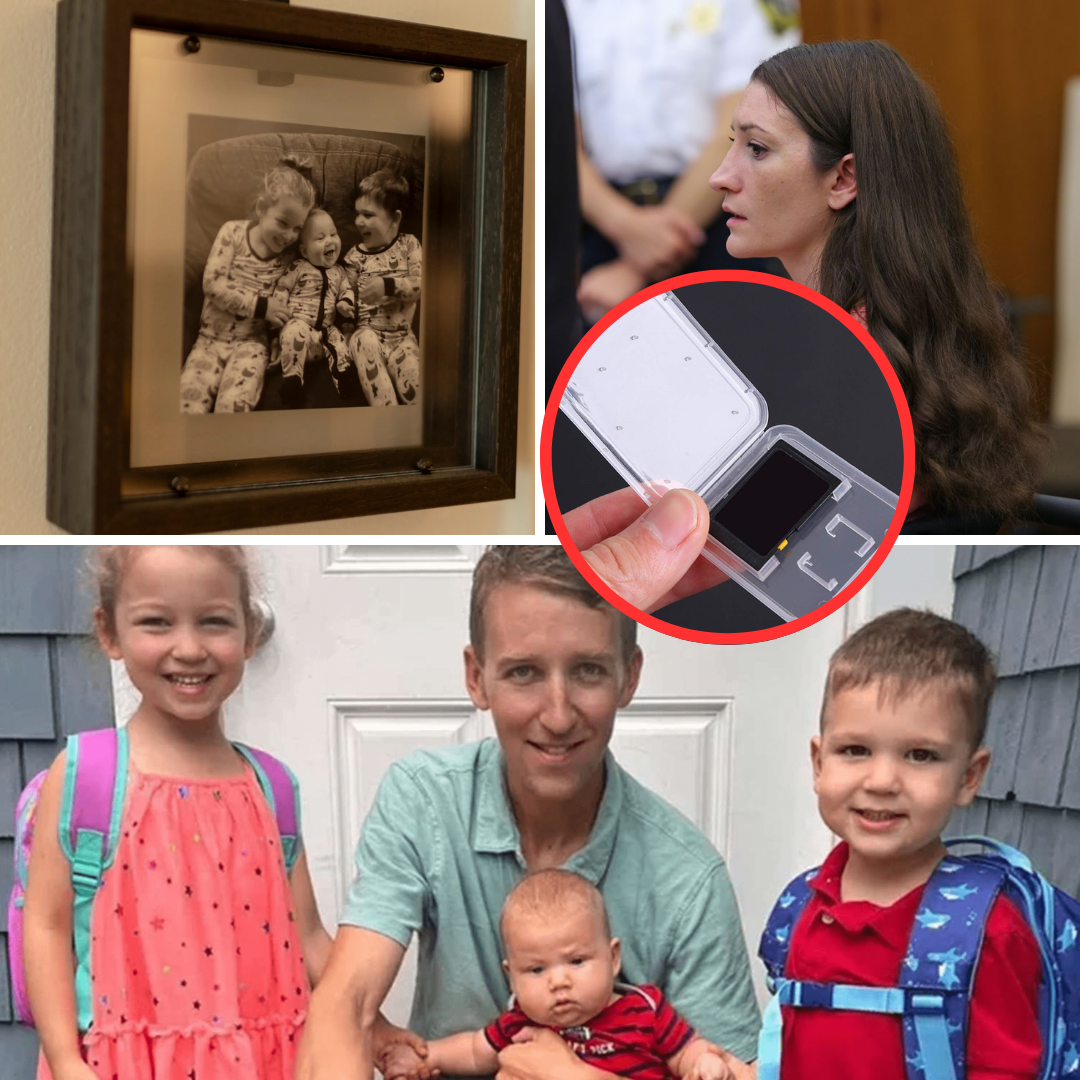
A sensational story titled “FORENSIC SLIP-UP EXPOSES HORRIFYING SECRET IN LINDSAY CLANCY CASE!” has been circulating across true-crime social media channels, video aggregators, and online forums. The narrative claims that a lead crime scene investigator accidentally dropped a framed family photograph, causing it to crack open and reveal a hidden micro-SD card taped behind the picture. According to the viral posts, unsealed digital forensics revealed a “timestamped audio file” recorded moments before the January 24, 2023 tragedy, capturing a “chilling voice whispering” secret instructions.
An exhaustive examination of the court dockets in Plymouth Superior Court, official evidence inventories filed by the Massachusetts State Police (MSP), and sworn pretrial testimony confirms that the entire story is a complete fabrication.
There was no dropped picture frame, no hidden micro-SD card, no secret audio recording, and no forensic slip-up. This viral post represents a classic deployment of “true-crime rage-baiting”—an automated digital manipulation strategy where content farms invent fictional, Hollywood-style plot twists around real-life human tragedies to exploit public interest and drive traffic to ad-monetized websites.
This comprehensive report deconstructs the fabricated claims, details the actual physical and digital evidence seized by law enforcement, explains how evidence is managed under strict legal chain-of-custody protocols, and analyzes the digital business models profiting from true-crime misinformation.
Fact vs. Fiction: Comparing the Hoax to Court Records
To understand the vast disconnect between viral internet stories and real-world judicial proceedings, the table below contrasts the claims made in the viral clickbait post with the sworn evidence entered into the official court record in Plymouth, Massachusetts.
| Sensational Clickbait Claim | Sworn Courtroom Reality (Plymouth Superior Court) | Primary Source / Evidentiary Status |
| “Investigator accidentally dropped a framed photo.” | False. All physical evidence at the Duxbury residence was systematically inventoried, photographed in situ, and logged without accidental damage. | Massachusetts State Police (MSP) Crime Scene Services Section (CSSS) Logs |
| “Hidden micro-SD card discovered inside frame backing.” | Fabricated. No micro-SD cards or concealed digital storage media were recovered from picture frames or keepsake items. | Official Search Warrant Returns (Duxbury District & Plymouth Superior Court) |
| “Timestamped audio file recorded moments before tragedy.” | False. No ambient audio recordings or secret voice notes exist. Digital timeline evidence consists entirely of phone/map logs and text messages. | MSP Cybercrime Unit Digital Forensics Extraction Report |
| “A chilling voice whispering secret instructions.” | Fabricated. This is a fictional trope used in viral videos to create an artificial curiosity gap and trigger emotional distress. | Pretrial Evidentiary Hearings & Grand Jury Indictment Records |
1. Deconstructing the ‘Hidden Media’ Clickbait Trope
The narrative of an accidental discovery revealing a hidden storage device relies on a long-standing pop-culture trope commonly seen in crime fiction movies. However, when analyzed through the lens of actual forensic science and law enforcement procedures, the story collapses immediately.
                     THE ANATOMY OF A TRUE-CRIME RAGE-BAIT HOAX
                                       │
     ┌─────────────────────────────────┼─────────────────────────────────┐
     │                                 │                                 │
     ▼                                 ▼                                 ▼
[MOVIE DRAMA TROPE]              [FABRICATED EVIDENCE]             [MONETIZATION PIPELINE]
• "Accidental dropping of frame" • "Concealed micro-SD card"       • "Tap link to read report"
• "Secret hidden compartment"    • "Chilling audio recording"      • Ad-arbitrage redirect loops
• "Forensic slip-up"             • Zero court corroboration        • Monetized video impressions
1. The Fiction of “Accidental Forensic Discoveries”
In real-world criminal investigations involving major felonies, state police crime scene technicians do not handle evidence haphazardly. Rooms are mapped using 3D spatial scanners, and physical items such as picture frames are photographed, cataloged, and placed into anti-static or tamper-evident containment bags. The idea that a lead investigator would “accidentally drop” an item and inadvertently discover critical evidence reflects cinematic storytelling rather than professional forensic methodology.
2. The Mechanics of the Curiosity Gap
By phrasing the ending of the narrative with an abrupt cliffhanger—“capturing a chilling voice whispering…  READ FULL FORENSIC REPORT HERE”—the creators exploit a psychological mechanism known as the curiosity gap. Readers who are emotionally invested in the case experience an overwhelming impulse to learn what was “whispered,” driving them to click external links that route through display ad networks.
2. What Evidence Was Actually Seized in the Lindsay Clancy Case?
To replace viral speculation with factual record, it is necessary to examine the actual physical and digital evidence seized by the Massachusetts State Police during their execution of search warrants at the Clancy family home on Summer Street in Duxbury.
┌────────────────────────────────────────────────────────────────────────────────────────┐
│                  ACTUAL EVIDENCE SEIZED BY LAW ENFORCEMENT                             │
├──────────────────────────┬─────────────────────────────────────────────────────────────┤
│ Category                 │ Items Logged in Search Warrant Returns                      │
├──────────────────────────┼─────────────────────────────────────────────────────────────┤
│ Digital Hardware         │ Apple iPhone (Lindsay), Apple iPhone (Patrick),             │
│                          │ Apple Watch, Microsoft Surface Pro Tablet.                  │
├──────────────────────────┼─────────────────────────────────────────────────────────────┤
│ Physical & Medical       │ Multiple prescription pill bottles (psychiatric medication),│
│                          │ handwritten daily journals/exercise logs, exercise bands.   │
├──────────────────────────┼─────────────────────────────────────────────────────────────┤
│ Home Automation & Web    │ Exterior Ring doorbell camera video files, cellular tower   │
│                          │ connection records, Apple Maps navigation queries.          │
└──────────────────────────┴─────────────────────────────────────────────────────────────┘
Digital Forensics Extraction Findings
Analysts from the Massachusetts State Police Cybercrime Unit performed full logical and physical extractions on the primary electronic devices recovered from the residence. The verified findings presented during court hearings include:
-
Location & Map Data: On the afternoon of January 24, 2023, Lindsay Clancy used Apple Maps on her iPhone to look up directions and travel times to a local restaurant (ThreeV in Plymouth) and searched for a CVS pharmacy in Duxbury.
-
Communication Logs: Text messages exchanged between Lindsay and her husband Patrick regarding picking up takeout food and medication, as well as photos sent to family members showing the children playing outside in the snow earlier that afternoon.
-
Notes App & Medical Research: iPhone records containing entries written by Lindsay detailing her struggles with severe anxiety, insomnia, feelings of detachment, and searches regarding side effects and withdrawal symptoms associated with various prescribed psychiatric medications.
At no point in any evidentiary filing, police affidavit, or courtroom argument has there ever been a reference to an audio recording, a hidden memory card, or an ambient microphone capture inside the home.
3. How Chain of Custody Prevents “Secret Leaks”
Claims that “unsealed digital forensics” or “leaked audio files” have surfaced on third-party blogs ignore the strict legal mechanisms governing criminal evidence in the United States judicial system.
                     STRICT CHAIN-OF-CUSTODY PROCEDURES
                                       │
     ┌─────────────────────────────────┼─────────────────────────────────┐
     │                                 │                                 │
     ▼                                 ▼                                 ▼
[CRIME SCENE LOGGING]            [FORENSIC DUPLICATION]           [JUDICIAL SECURING]
• Evidence itemized & tagged     • Bit-stream physical image made • Files held under protective order
• Secured in tamper-proof bags   • Original hardware sealed       • Distributed only via Discovery
• Maintained in physical locker  • Hash values (MD5/SHA256) match • Public release via court clerk
The Hash Value Standard
When digital media (such as a hard drive, phone, or legitimate SD card) is seized by law enforcement, digital forensic examiners immediately create a bit-stream physical copy and calculate cryptographic hash values (such as MD5 or SHA-256).
If a single byte of data is altered, added, or deleted—or if a file were “hidden” or “accidentally dropped”—the cryptographic hash value changes, rendering the evidence inadmissible in court.
Pretrial Discovery Rules
In Massachusetts, under Rule 14 of the Rules of Criminal Procedure, all material evidence collected by the prosecution must be disclosed to the defense team through formal discovery. If an audio file or micro-SD card actually existed, it would be formally documented in court motions filed by lead defense attorney Kevin Reddington or the Plymouth County District Attorney’s Office. No such motions or filings exist.
4. The Real Trial: Postpartum Psychosis vs. Criminal Premeditation
The proliferation of wild internet rumors distracts from the genuine, highly complex legal and medical issues being litigated in Plymouth Superior Court. The case centers on two opposing legal interpretations of Lindsay Clancy’s mental state on January 24, 2023.