🚨 BACK TO THE TRIAL: THE BATH-TIME ACCOUNT THAT PROSECUTORS SAID DIDN’T MATCH THE EVIDENCE One of the most closely examined moments in the Preston Davey trial centered on the explanation given for the 13-month-old’s death. The court heard claims that the toddler had drowned after being left unattended in the bath. However, prosecutors pointed to testimony and other evidence they argued was difficult to reconcile with that account. One detail described by the other adoptive father quickly became a major focus in court—and investigators said it raised even more questions. 👇 More details below.
The ongoing trial at Preston Crown Court has brought forward disturbing details about the final hours of a 13-month-old boy named Preston Davey, who was in the process of being adopted by two men. Jamie Varley, aged 37, and John McGowan-Fazakerley, aged 32, both from Blackpool, face serious accusations related to the child’s death on July 27, 2023. Preston, who was also known as Elijah while living with the couple, had been placed in their care in April of that year. Prosecutors claim the youngster suffered repeated physical, emotional, and sexual mistreatment during his time with them. The case has drawn significant attention as it unfolds, with both defendants pleading not guilty to all charges.

Varley stands accused of murder, sexual assault of a child under 13, causing grievous bodily harm, multiple counts of child cruelty, and offences involving the creation, possession, and sharing of indecent images. McGowan-Fazakerley faces charges of causing or allowing the death of a child, two counts of child cruelty, and sexual assault of a child under 13. The proceedings have revealed conflicting accounts of events leading to Preston’s collapse and subsequent passing at Blackpool Victoria Hospital. The child was rushed to the facility in a state of cardiac and respiratory arrest around 6:20 p.m. that evening and was declared deceased approximately one hour later despite medical efforts to save him.
As testimony continued on June 4, the court heard from McGowan-Fazakerley, who described returning home to a distressing situation. He portrayed arriving to find his partner attempting resuscitation on the boy in the bedroom. According to his statement, Preston was seated upright and appeared conscious at that moment, wearing only a nappy with towels scattered nearby. This description has become a focal point, particularly regarding the condition of the child’s hair and body when the second adoptive father entered the room.
Testimony Highlights Discrepancies in the Reported Incident
During cross-examination, McGowan-Fazakerley maintained that Preston’s hair showed no signs of wetness upon his arrival. He described the locks as appearing tight and dry, explicitly stating the toddler was not wet in any noticeable way. This account contrasts sharply with earlier claims attributed to the couple about the boy possibly drowning in a bath. The salesman, who had been in a relationship with Varley for eight years, told jurors he witnessed his partner rubbing the child’s back and stomach area while trying to perform CPR. Prosecutors pressed him on why his later police interview made no mention of applying pressure to the abdomen, to which he responded that the chaotic and frightening nature of the moment might have led to imprecise language, possibly confusing “belly” with “chest.”

The defendant insisted he did not perceive Preston as lifeless when he first walked into the bedroom, emphasizing the speed and terror of the scene. He expressed shock at discovering the situation, stating it was something he never anticipated. When questioned about whether his greatest concerns had materialized by leaving the child alone with Varley, McGowan-Fazakerley replied that he was terrified by the unexpected sight and immediately focused on helping while seeking professional medical assistance. He further revealed that he had not been informed by his partner about a seizure Preston supposedly experienced roughly an hour and a half before his return home. A video recording of that alleged episode, captured on a mobile phone, only came to his attention much later during police questioning.

Prosecutor Peter Wright KC challenged the witness on his interactions following the viewing of that recording in September 2023. McGowan-Fazakerley explained that Varley claimed no memory of filming the incident. Suggestions that the pair had coordinated their stories to protect one another were firmly rejected by the defendant, who asserted he would never compromise the safety of a child in his care. The testimony painted a picture of confusion and urgency in the moments after McGowan-Fazakerley’s arrival, with efforts to revive Preston ultimately leading to the emergency hospital transfer.
Post-Mortem Evidence and the Broader Allegations
A post-mortem examination determined that Preston’s death resulted from upper airway obstruction. The procedure also uncovered around 40 separate traumatic injuries across various parts of his body, including the head, throat, arms, legs, pelvic region, and buttocks. Medical experts indicated these findings were consistent with both physical violence and sexual abuse. Prosecutors allege that Varley carried out a sexual assault on the boy in the hours immediately preceding his death. Additionally, both men face accusations of sexually assaulting Preston in his cot four days prior to the fatal day.
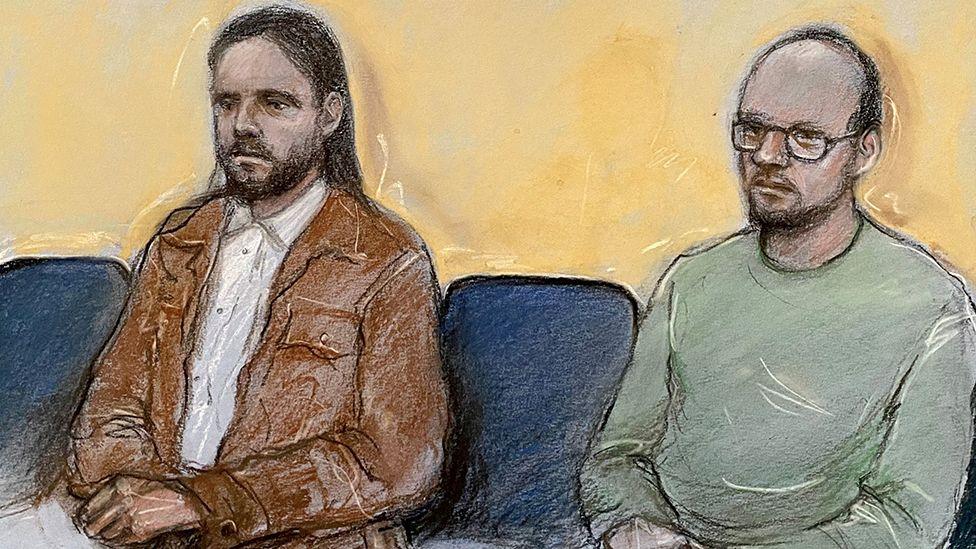
The case against the pair includes claims of ongoing abuse that was not limited to the final incident. Varley faces a wider range of charges, including manslaughter as an alternative to murder, while McGowan-Fazakerley is accused of failing to prevent the child’s death. Throughout the trial, both defendants have denied any involvement in harming Preston, insisting they were preparing to formally adopt him and provide a stable home. The court has heard how the toddler’s short life with the couple involved multiple alleged instances of cruelty that prosecutors say contributed to his deteriorating condition.
Evidence presented suggests a pattern of mistreatment that allegedly combined physical force, psychological pressure, and sexual exploitation. The defence has sought to address inconsistencies in statements and timelines, while the prosecution continues to highlight what it describes as implausible elements in the accounts provided by the accused. McGowan-Fazakerley’s testimony underscored his claim of walking into an unforeseen emergency, yet questions remain about the lack of wetness on the child despite references to a bathing incident.
The trial continues to examine the circumstances surrounding Preston’s final day, including communications between the men, their individual actions, and the medical realities uncovered after his passing. Jurors must weigh the conflicting narratives against the physical evidence of injuries and the sequence of events leading to the hospital visit. The outcome could hinge on whether the explanations offered align with the documented trauma and the child’s condition upon discovery. As proceedings advance, the case sheds light on the vulnerabilities faced by young children in adoptive placements and the heavy responsibility borne by those entrusted with their care. Families, social services, and the public await clarity on how such alleged failures could occur despite oversight mechanisms intended to protect at-risk youngsters. The full scope of the allegations continues to emerge through detailed courtroom exchanges, painting a complex picture of tragedy and accountability.