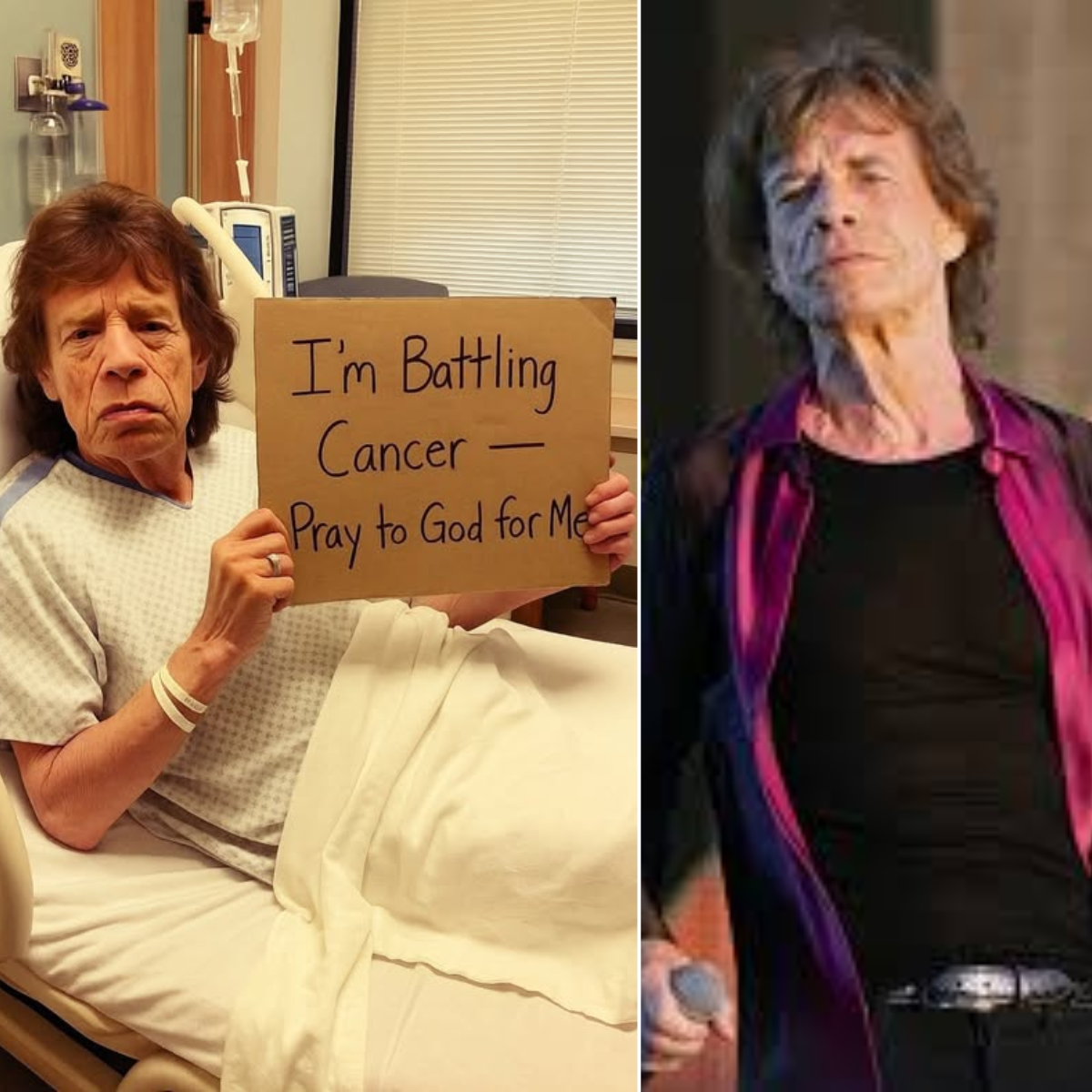
Mick Jagger ‘Terminal Cancer’ Shock Claim — The Truth Behind the Headline That Rocked Fans Worldwide!
A dramatic headline has been racing across social media, claiming that Rolling Stones legend Mick Jagger has been diagnosed with terminal stage-4 pancreatic cancer just days before a major world tour — with doctors allegedly giving him “weeks, not months” to live.
It is an emotionally devastating story. It is also one that demands careful scrutiny.
As fans around the world reel in disbelief, the real question is not just what the headline says — but what is actually known.
The Claim That Sparked Global Panic
According to widely shared online posts, the 81-year-old rocker supposedly collapsed during a rehearsal in Nashville, was rushed to Cedars-Sinai Medical Center, and received a grim diagnosis of advanced pancreatic cancer that had already spread to multiple organs.
The story goes further: doctors reportedly declared the disease untreatable, Jagger allegedly signed a Do Not Resuscitate order, canceled the Rolling Stones’ tour, and chose to spend his final days recording one last song and preparing a poetic farewell.
It is cinematic. It is heartbreaking. And it is spreading fast.
What’s Missing: Verification, Sources, and Official Confirmation
Despite the intensity of the claims, there has been no confirmation from Mick Jagger, his family, his representatives, the Rolling Stones, or any reputable medical or news organization.
No major outlet — including Reuters, AP, BBC, CNN, or Rolling Stone magazine — has reported such a diagnosis. No official tour cancellation tied to terminal illness has been announced. No verified medical statement exists.
Instead, the story appears on click-driven websites and social media posts that rely heavily on anonymous “insiders,” emotional language, and dramatic detail — but offer no documents, no named doctors, and no on-the-record confirmation.
Why the Story Feels Believable
The headline works because it taps into several powerful truths:
-
Mick Jagger is in his 80s
-
Pancreatic cancer is widely feared and often fatal
-
Fans already associate Jagger with defiance, endurance, and music until the end
Combine those realities with poetic imagery — moonlight performances, handwritten notes, final songs — and the story feels emotionally true, even if it may not be factually true.
This is a classic case of what media analysts call “narrative plausibility”: a story that feels real because it fits what people already believe.
A History of Health Rumors Around Rock Legends
This is not the first time a legendary musician has been the subject of exaggerated or false health reports. Over the years, similar rumors have circulated about Paul McCartney, Elton John, and Bob Dylan — often tied to age, tour schedules, or brief absences from the public eye.
In many cases, these stories collapse once official statements emerge.
As of now, silence from verified sources strongly suggests caution, not confirmation.
So What’s the Reality Right Now?
At present:
-
There is no verified evidence Mick Jagger has terminal cancer
-
There is no official statement confirming a medical emergency
-
The Rolling Stones have not announced a final farewell performance tied to illness
That does not mean Jagger is immortal. It does mean that extraordinary claims require extraordinary proof — and none has been provided.
Why Fans Should Pause Before Sharing
The emotional pull of this story is undeniable. But spreading unverified claims about a real person’s terminal illness can cause real harm — to families, fans, and public trust.
Until information comes from credible, named, and accountable sources, the story remains rumor, not reporting.
The Real Legacy — With or Without the Rumour
One thing is beyond dispute: Mick Jagger’s legacy is already monumental. Six decades of music, rebellion, cultural impact, and relentless performance have secured his place in history.
If one day there truly is a final song, it will be announced — not whispered through clickbait.
Until then, the headline may shock — but the truth remains unproven.