
💸 Paul McCartney’s alleged $3.5 million “donation for flood victims” — was the money ever truly given, or is it just another emotional, unverified Facebook post spreading like wildfire?
🌍 The Viral Post That Took Over Facebook
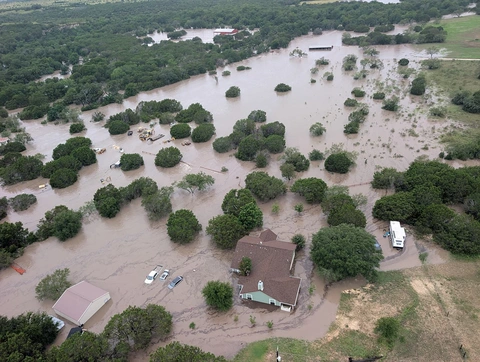
In recent weeks, social media platforms — particularly Facebook — have been flooded with emotional posts claiming that legendary musician Paul McCartney donated $3.5 million to support victims of the devastating floods in Texas. Some versions of the post go further, stating that McCartney “personally paid for funeral expenses” of several families affected by the disaster.
These posts, often accompanied by heartfelt captions and tearful emoji reactions, have gone viral at lightning speed. Thousands of shares, likes, and comments have painted a picture of McCartney as a quiet, selfless hero who stepped in while others turned away.
But there’s just one problem: there is no concrete evidence this donation ever happened.
🕵️♂️ What We Know (and Don’t Know)
To date, no major news outlet — including BBC, CNN, The Guardian, or Reuters — has reported on any donation from Paul McCartney related to the Texas floods. In fact, there is no official statement from McCartney’s representatives, no press release, no confirmation from relief organizations, and no receipts or verifiable documentation of the alleged $3.5 million.
Even more concerning: the original post appears to have no clear origin. It seems to have emerged from fan-run Facebook groups and reposted across dozens of unofficial pages without sourcing, time stamps, or proper attribution.
📸 No Images, No Interviews, No Proof
Unlike other celebrity-driven relief efforts — such as when Taylor Swift was photographed delivering meals to hurricane shelters, or when Leonardo DiCaprio’s foundation published donation receipts — the McCartney claim has no accompanying media. No images of him visiting Texas. No interview quotes. Not even a tweet.
And in today’s era of nonstop media coverage and fan surveillance, such a significant act going unnoticed seems almost impossible.
🤯 Why It Went Viral Anyway
So why did this claim take off in the first place?
The answer lies in social media psychology. Posts that combine:
-
a beloved public figure,
-
an emotional, tragic event,
-
and a feel-good resolution (i.e., charity),
are primed to go viral.
In fact, false “celebrity donation” stories have become a pattern online. In the past year alone, Snopes and other fact-checking organizations have debunked similar viral rumors involving Keanu Reeves, Denzel Washington, and Dolly Parton — all falsely credited with dramatic acts of philanthropy.
These stories work because people want to believe in goodness. And attaching that goodness to a familiar face only amplifies the emotional pull.
🎤 The McCartney Myth: Kindness or Construct?
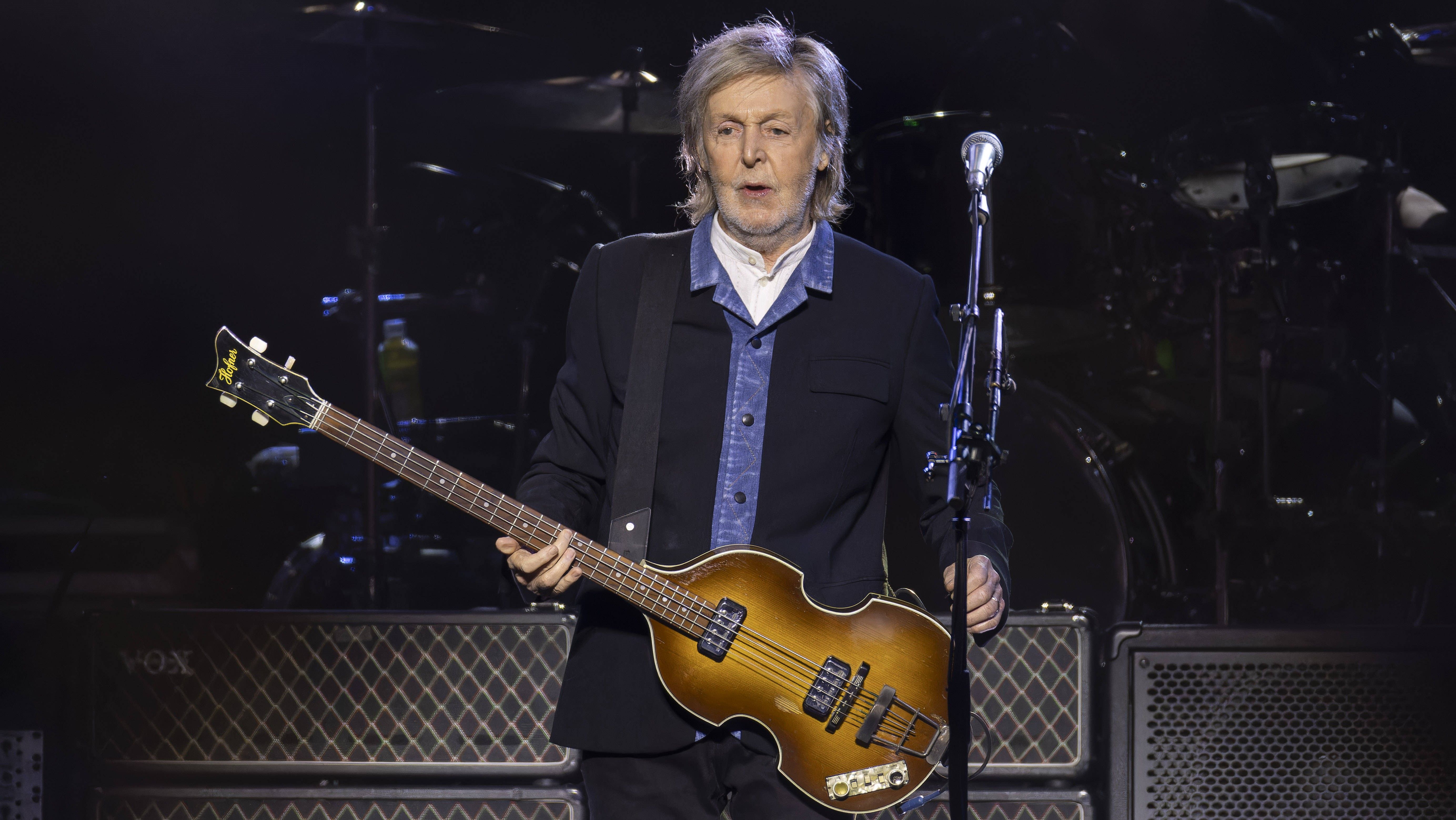
Of course, Paul McCartney is no stranger to charity. Over the decades, he’s supported countless causes — from animal rights to climate action. But that only makes the silence around this supposed donation more curious.
Why would a figure so used to press and public statements say nothing about such a large, impactful gesture?
Unless… the gesture never happened at all.
⚠️ The Danger of Feel-Good Misinformation
While some argue that sharing these stories “can’t hurt,” the truth is that false feel-good posts can actually undermine real charitable efforts.
-
They divert attention from verified organizations doing the work.
-
They create confusion about who is helping and how.
-
And they make people more skeptical in the future, even when real donations are made.
Spreading unverified claims — even with good intentions — contributes to a social media environment where emotions outweigh facts.
✅ Bottom Line: Check Before You Share
Until Paul McCartney or an official source confirms the story, there is no reason to believe the $3.5 million donation happened. It may be a harmless misunderstanding — or a carefully engineered piece of viral content designed to generate engagement.
Either way, it’s a reminder that not everything that feels true actually is.
So next time you see a heartwarming story on your feed, remember: the truth deserves more than just a share. It deserves a fact-check.